
Stone Water Features
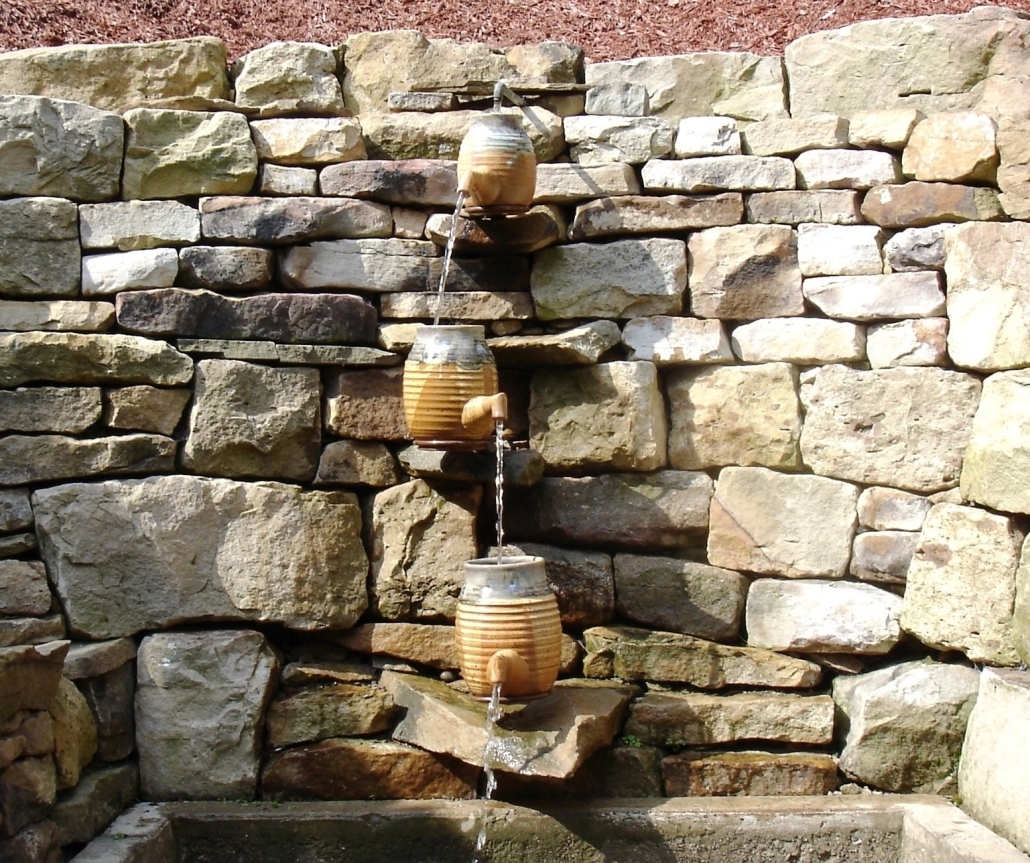
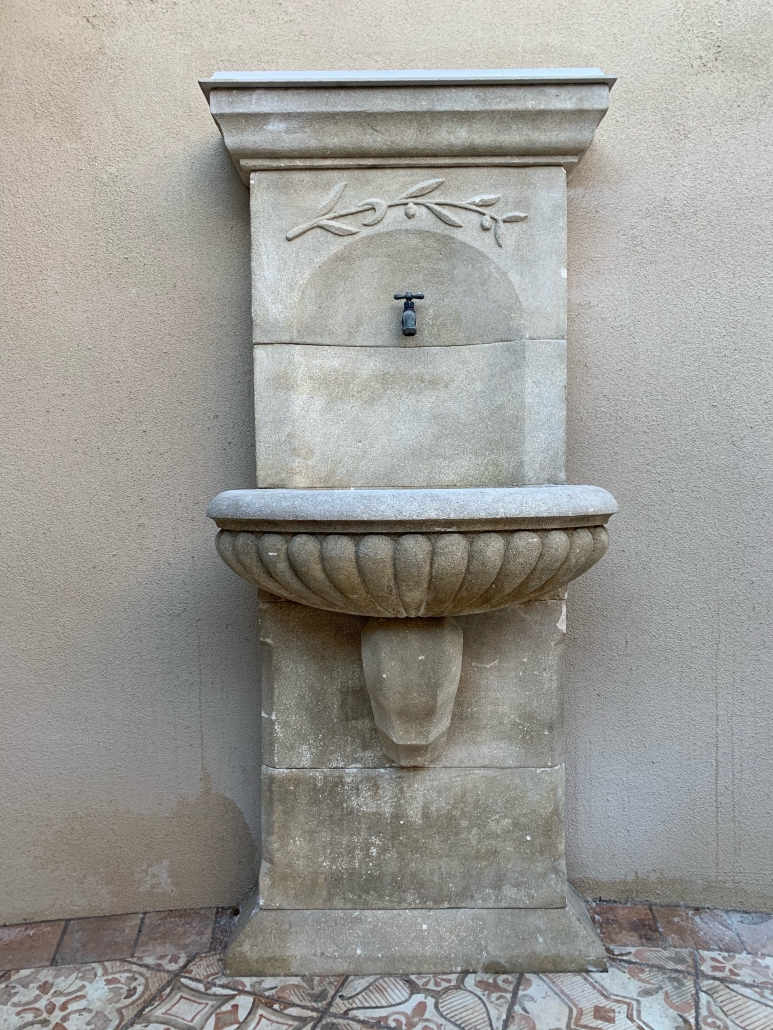
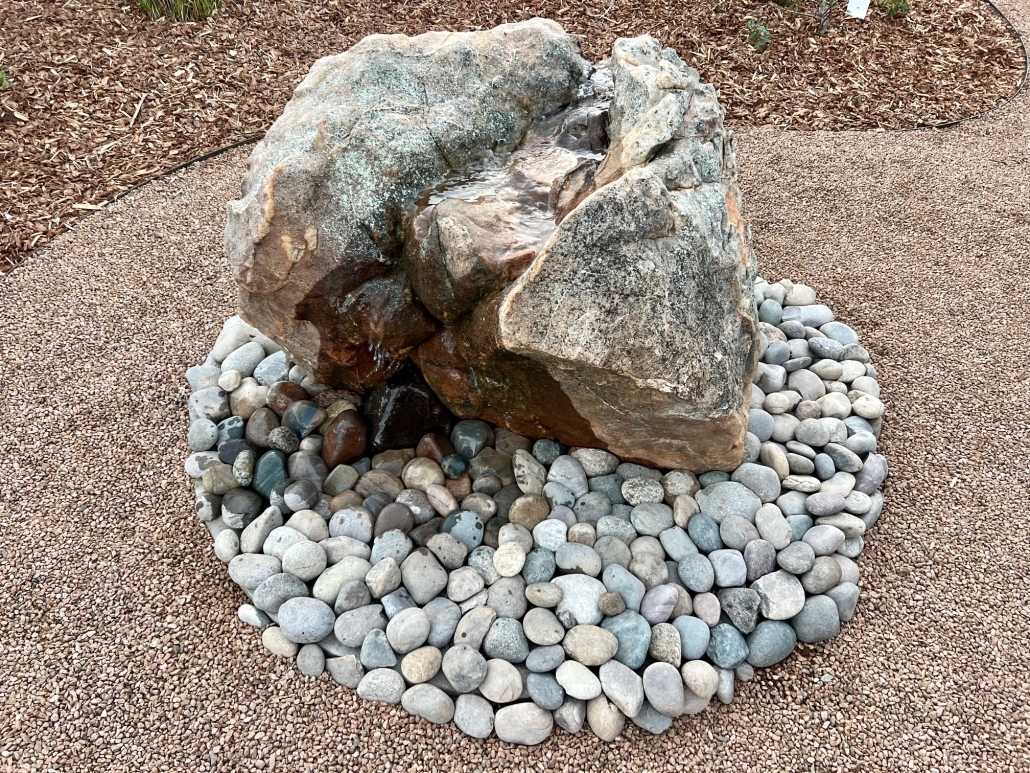
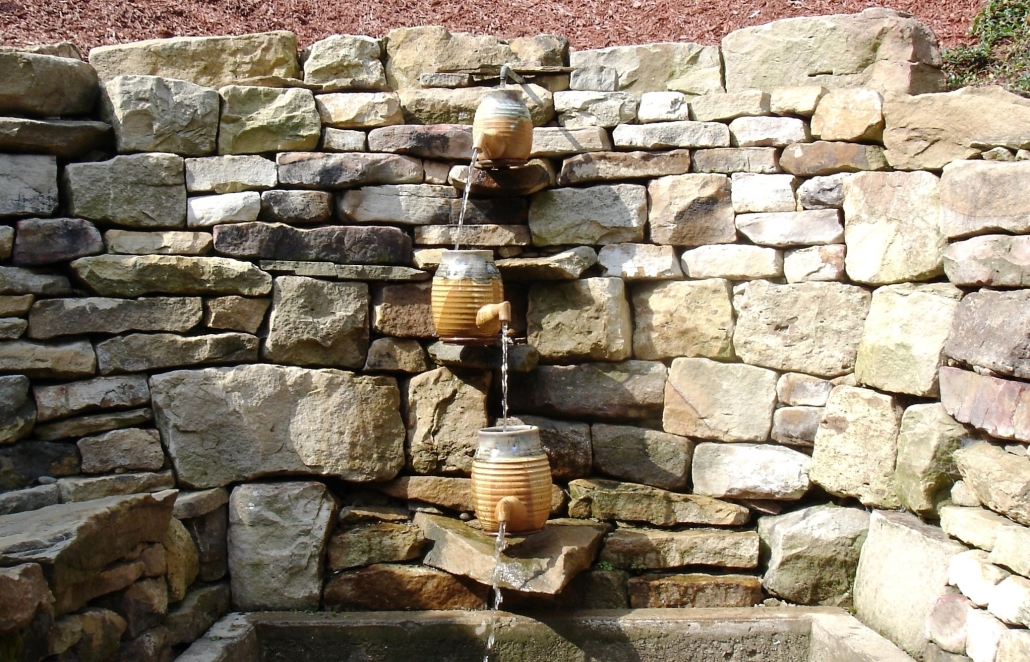
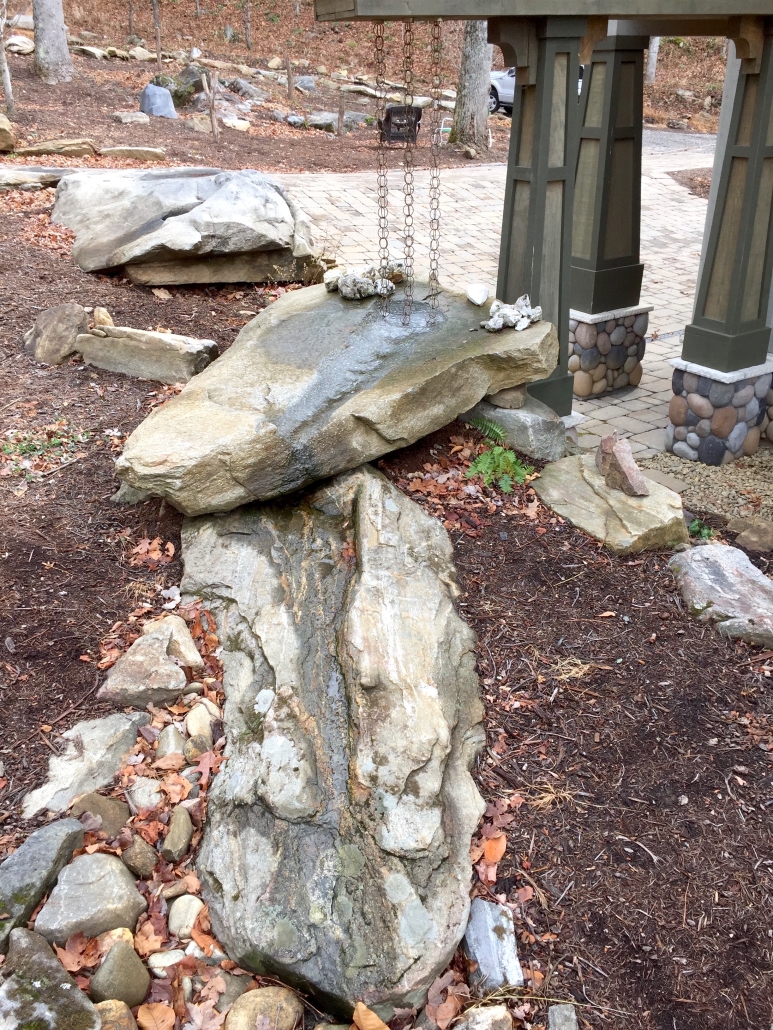
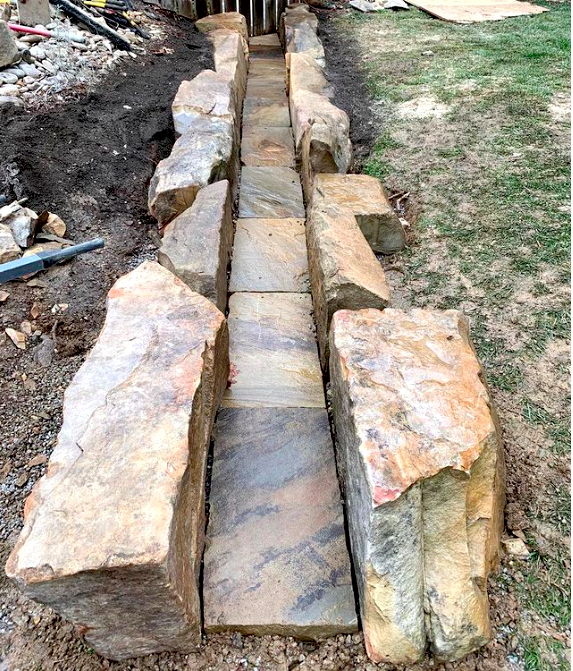
Stone water features have a wide variety of potential appearances. For example, two traits common with most all designs is that they provide water for animals, and they also provide a pleasant sound. In addition, the sound of some water features can also reduce unwanted sounds like auto traffic.
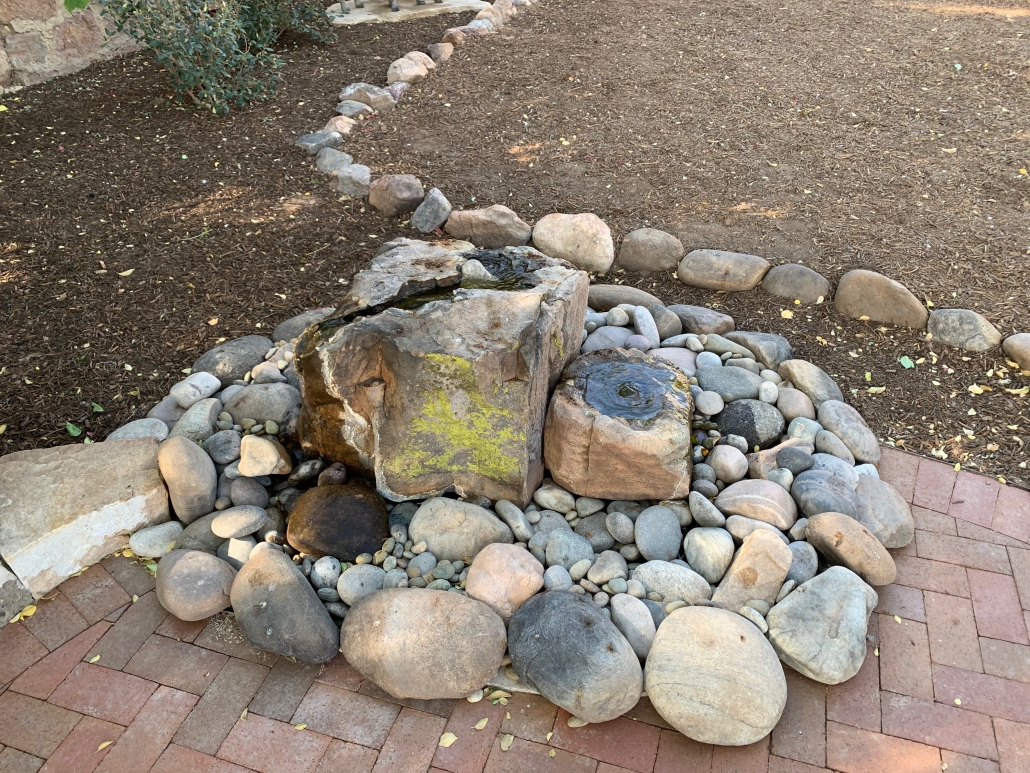
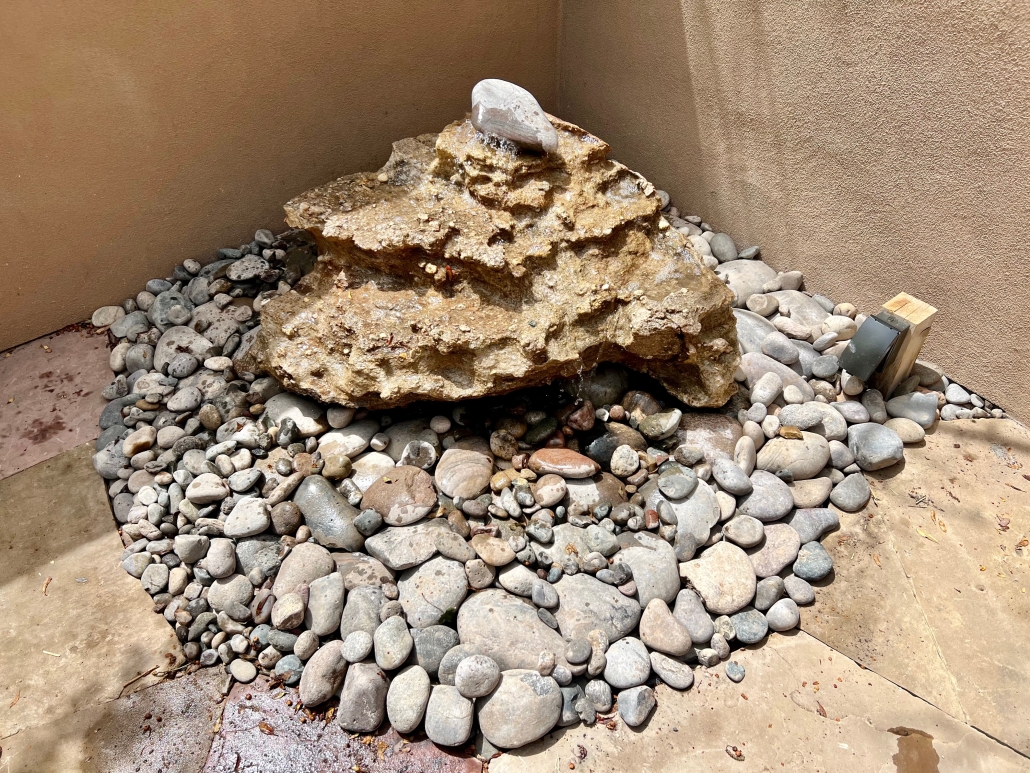
Most stone water features are above a water holding tank or pond. They use an electric or solar pump to recirculate water up through the stonework. Consequently, the water then falls back down into the tank or pond. As a result of using a screen, debris such as leaves or grass clippings will remain out of the water container.
In order for water to travel up through a stone, it is most often core-drilled. Subsequently, this allows a smooth surface interior conduit for the water to move upwards. Different dimensions of this opening are certainly possible. Larger diameter holes, for example, allows more water to flow through.
Many water pumps have adjustable water flow, and some experimentation is needed to get the desired result.
As a result of evaporation and splashing, it is necessary to refill the water container on occasions. This can be done manually, and also with a float valve. The float valve will activate a water line or hose to refill the water container as a result of the float valve dropping to a certain elevation. This reduces the maintenance requirement, and can prevent the pump from running if there is no water flowing through it.
World Heritage Sites
The 2011 issue of World Heritage Magazine explores water and its use by many cultures globally. Likewise, several stone water features are World Heritage Sites. One prominent example is the Villa d’Este in Tivoli, Italy. Another distinctive, all natural water feature is in Turkey, the Hierapolis-Pamukkale