

Stone Fences Terminology:
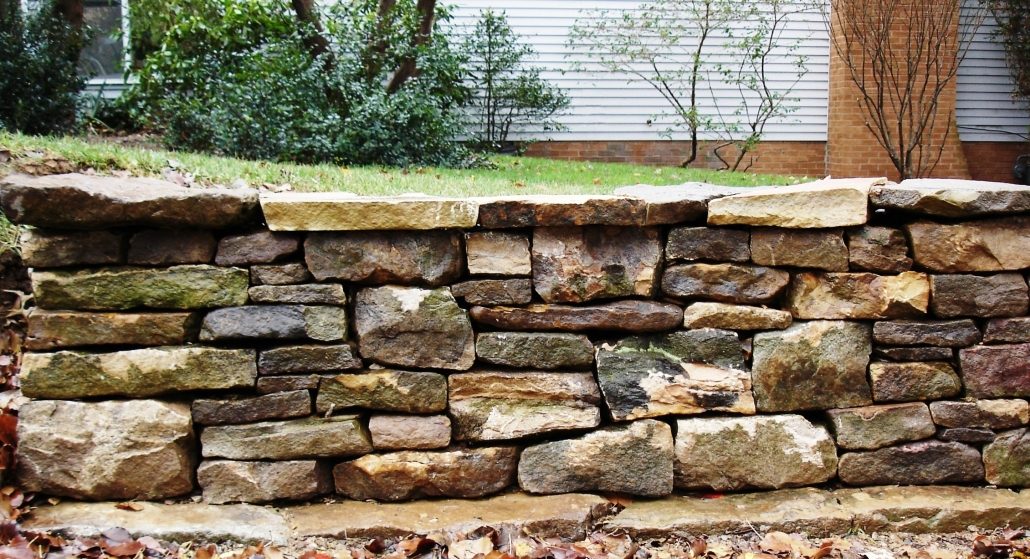
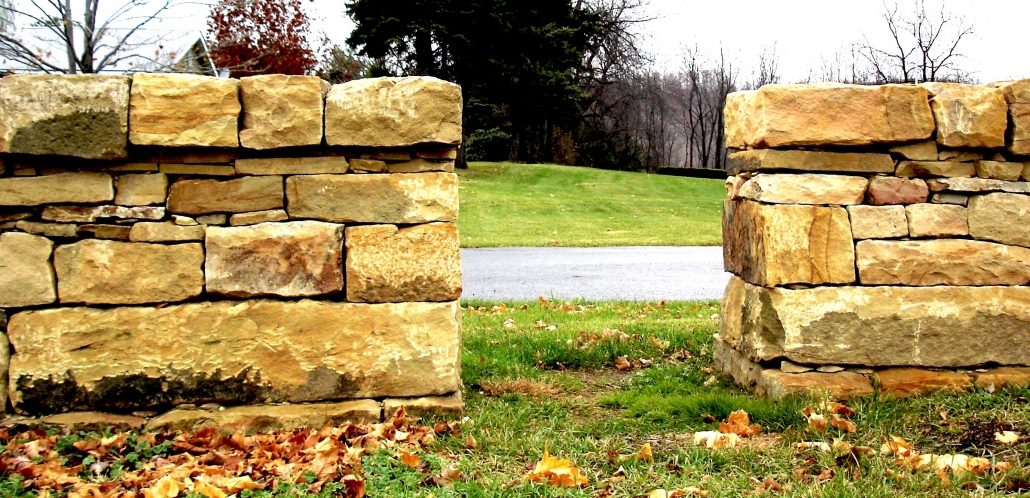
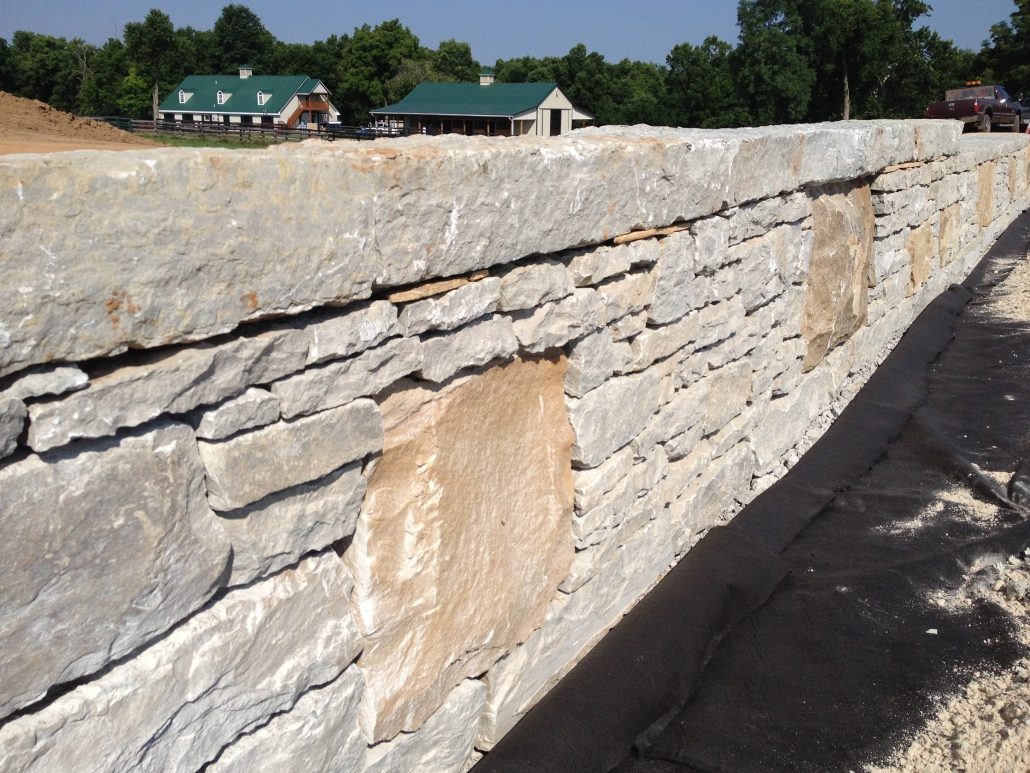
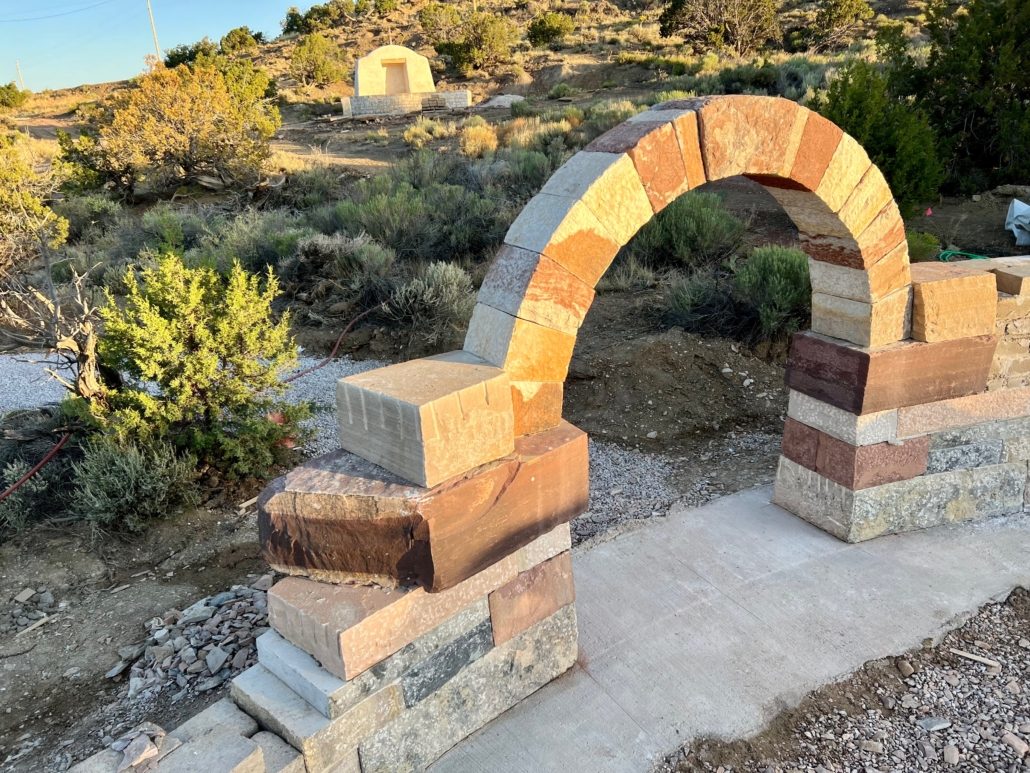
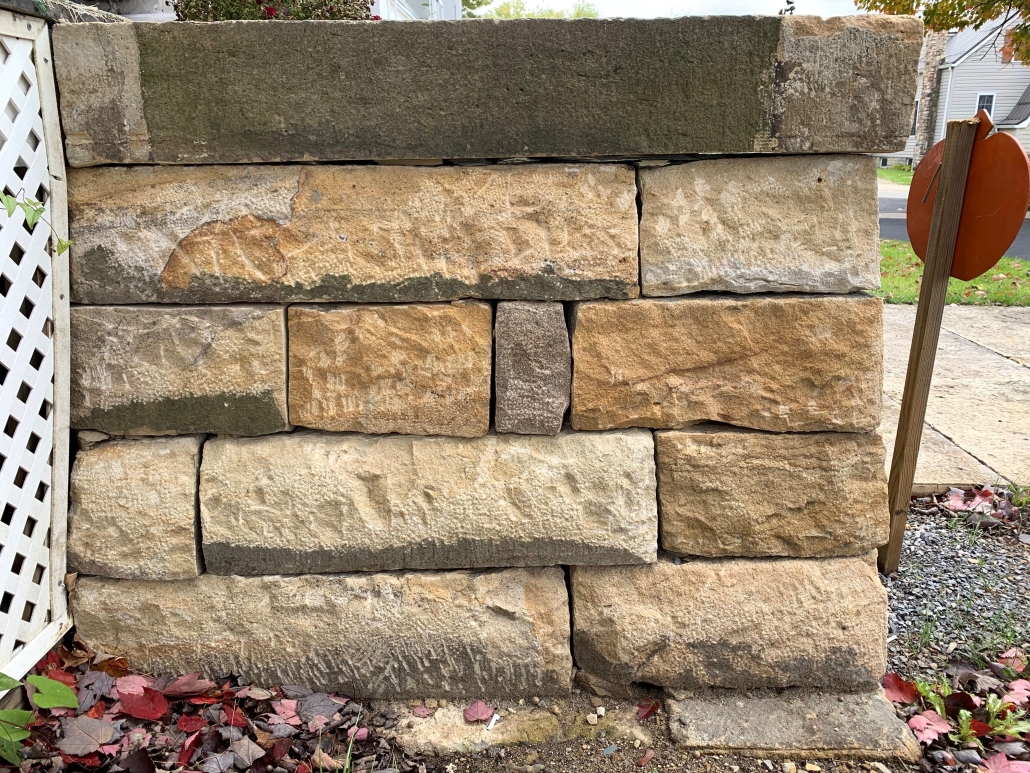
Stone walls are also stone fences. If they are freestanding for example, then they are both a wall and a fence. However, if the stone wall is retaining soil on one side, then it is a retaining wall.
Stone Fences/Wall Craft Revival in Kentucky:
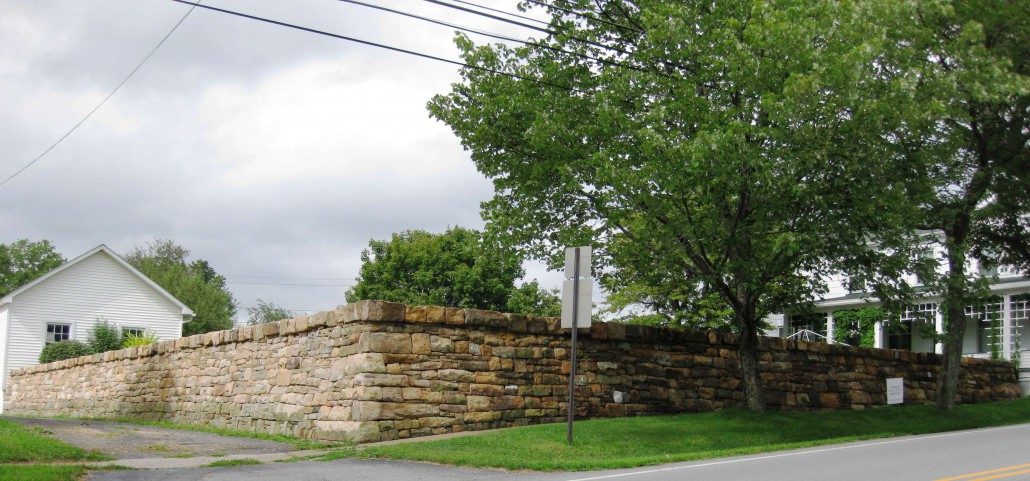
My start in dry stonemasonry was primarily the restoration of drystone fences/walls, and likewise the construction of new ones. The state of Kentucky was moving and restoring stone fences along state highways as a result of road widening projects. This was in and around Lexington starting in the mid-1990’s, when I started my career there.
Dry Stone Walling Association of Great Britain:
There are a set of best-practices specific to dry stone fences which were subsequently taught as part of the revival of the craft. As a result, those traits have been advocated, taught, and tested by the Dry Stone Walling Association of Great Britain for several decades. Later, other organizations in the US and other countries also began teaching and testing these methods.
Most importantly, all of the freestanding stone walls or fences I have built and restored have been without mortar. When built properly, a drystone fence or drystone wall has the ability to settle in and down as a result of earth movement. A mortared fence, on the other hand, does not have such a capacity to breathe and settle gracefully over time.
Top 10 Stone Fences Great Rock Hits:
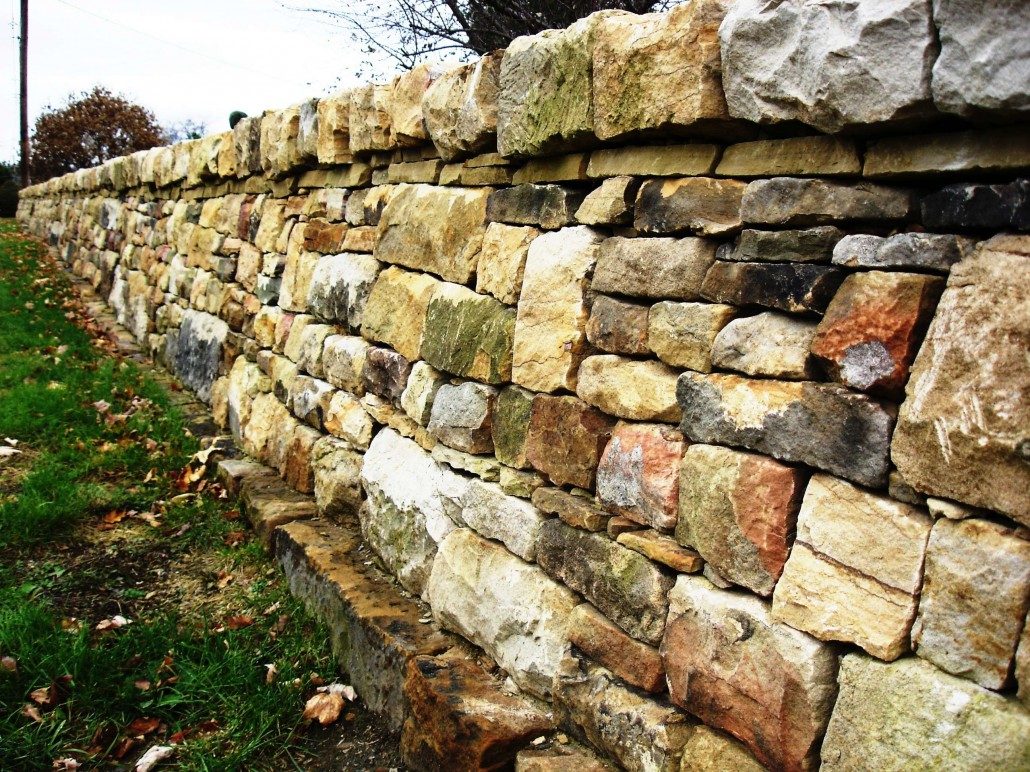
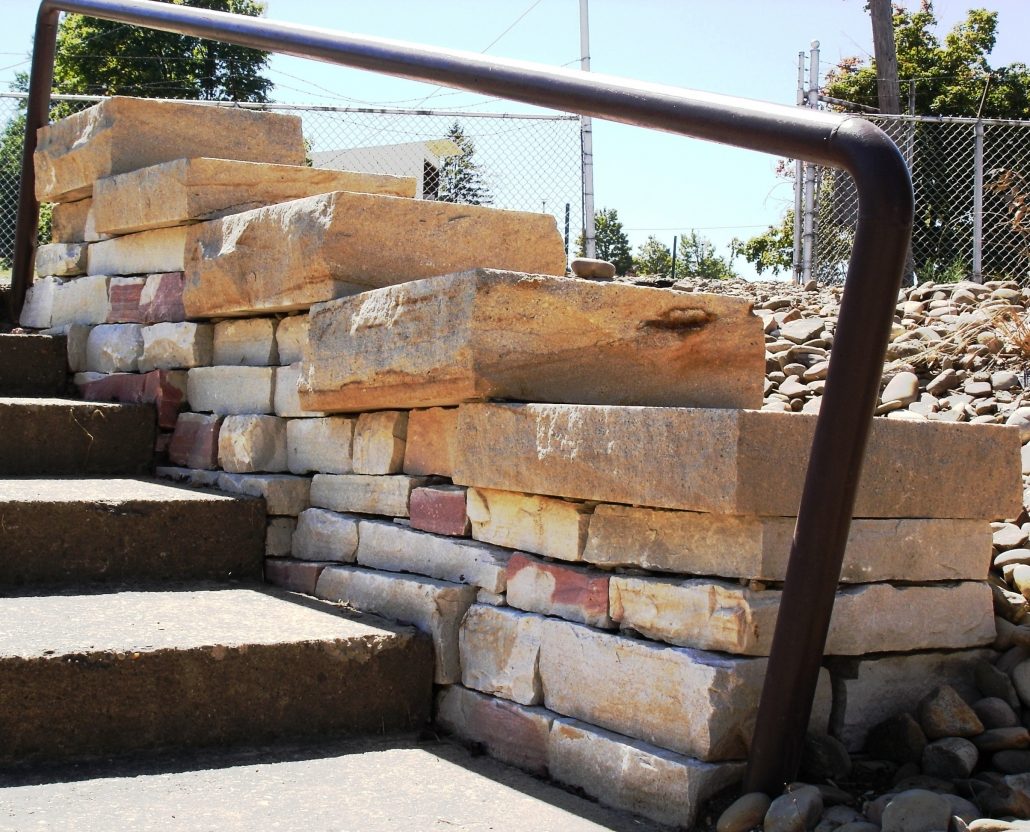
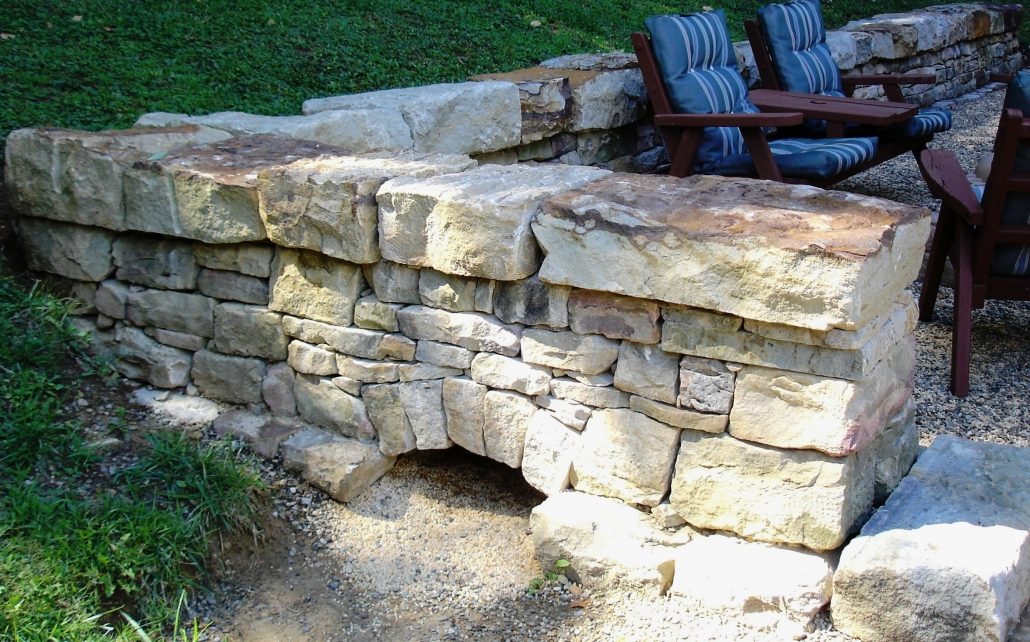
The essential traits that make a dry stone wall/fence last as long as possible certainly include:
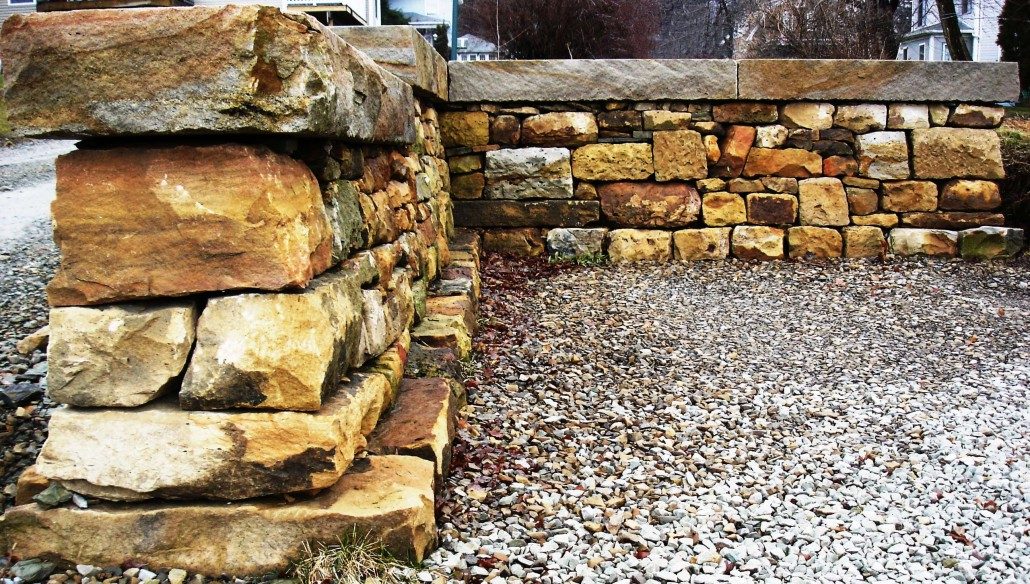
- A level foundation course with large surface area stones so that stability is achieved
- Face stones set with length going in, that is to say perpendicular to the face of the fence
- First course of face stones on top of foundation course are set back a few inches from front edge of foundation course
- Stones pinned with small chips along their bottom perimeter, except the face, so they don’t wobble
- Joints staggered as stones are set over others, for example like most brick and concrete block walls
- A taper from the bottom of the fence to the top, therefore 1 foot in height slopes inwards 2 inches
- Thrustones set 3 feet apart, midway between the foundation stones and capstones; Ideally thrustones go all the way through a wall from one face to the other
- Stones set so that the top surface is level in all directions
- Smaller stones placed in the voids between the interior, back side of face stones
- Heavy stones on top that span the front-to-back of the fence