
Stone Landscape Odds and Ends
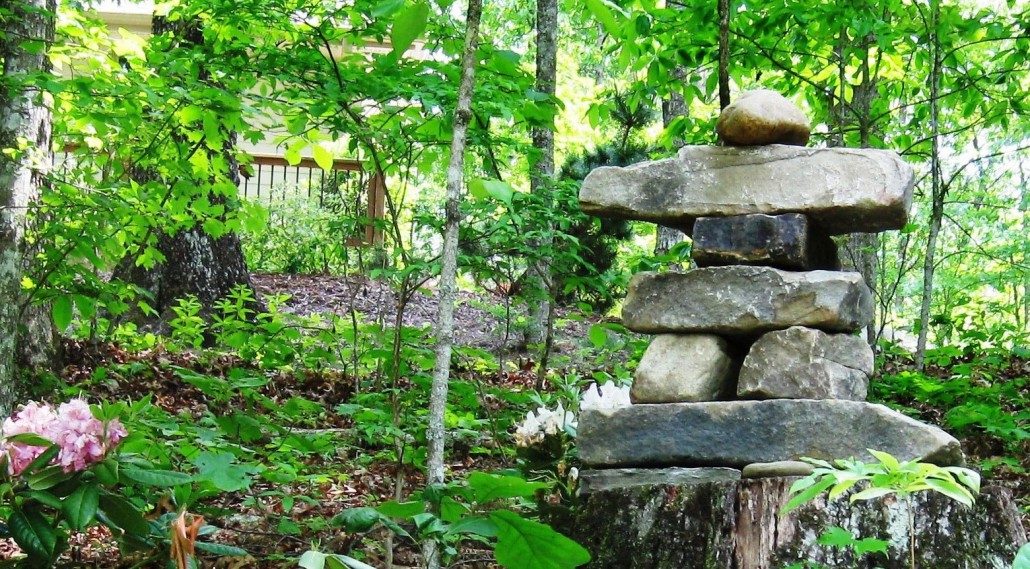
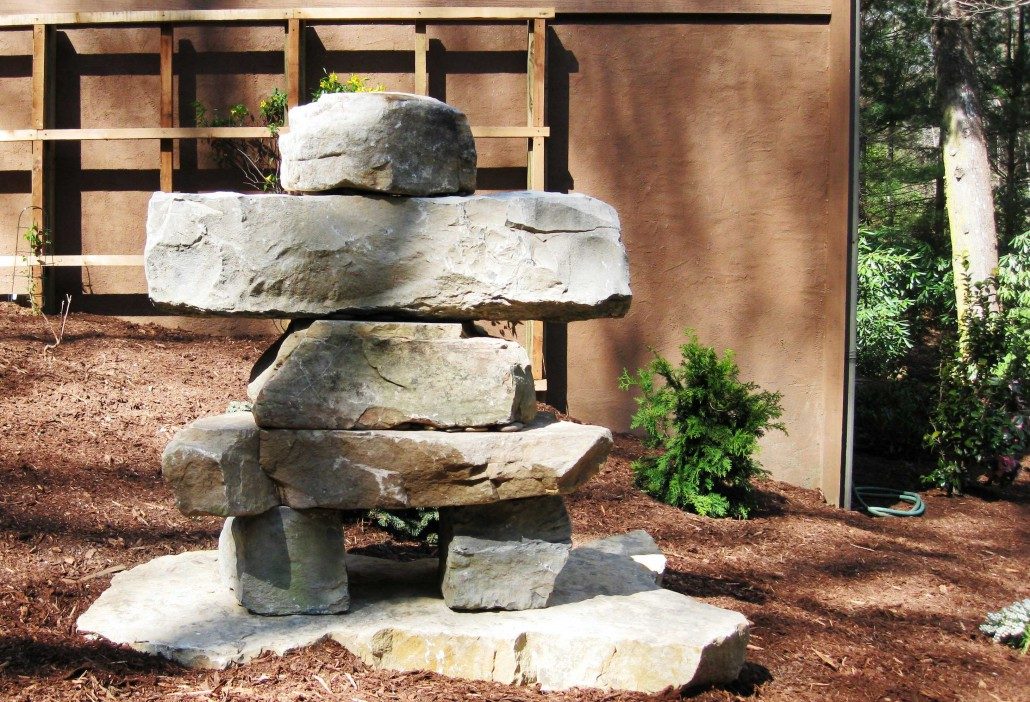
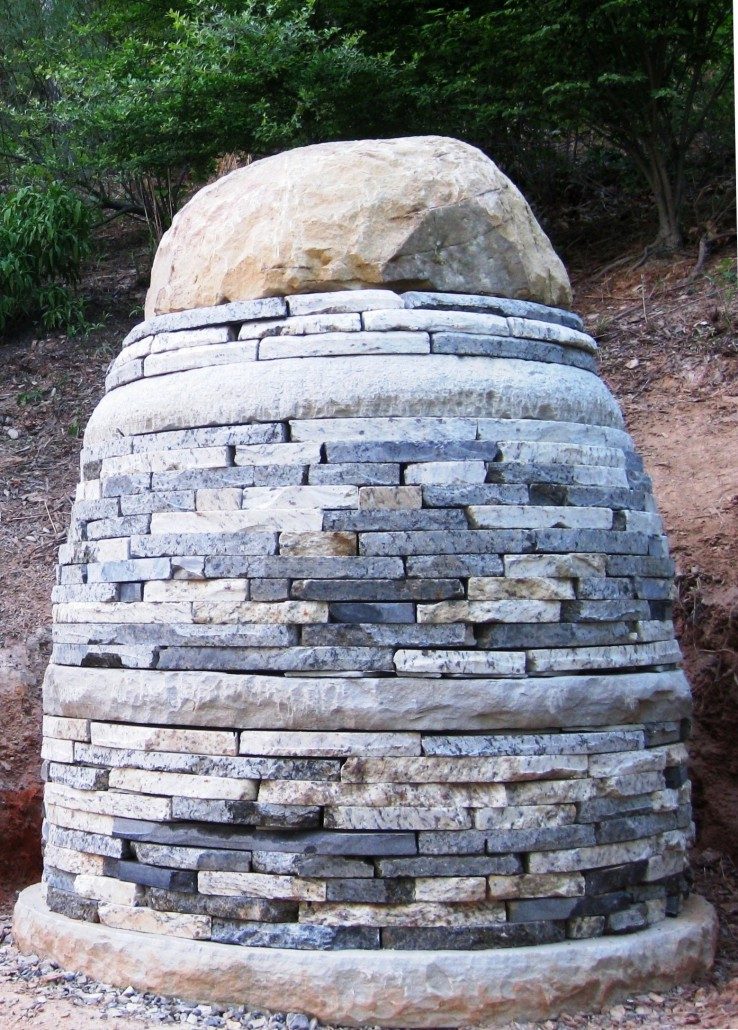
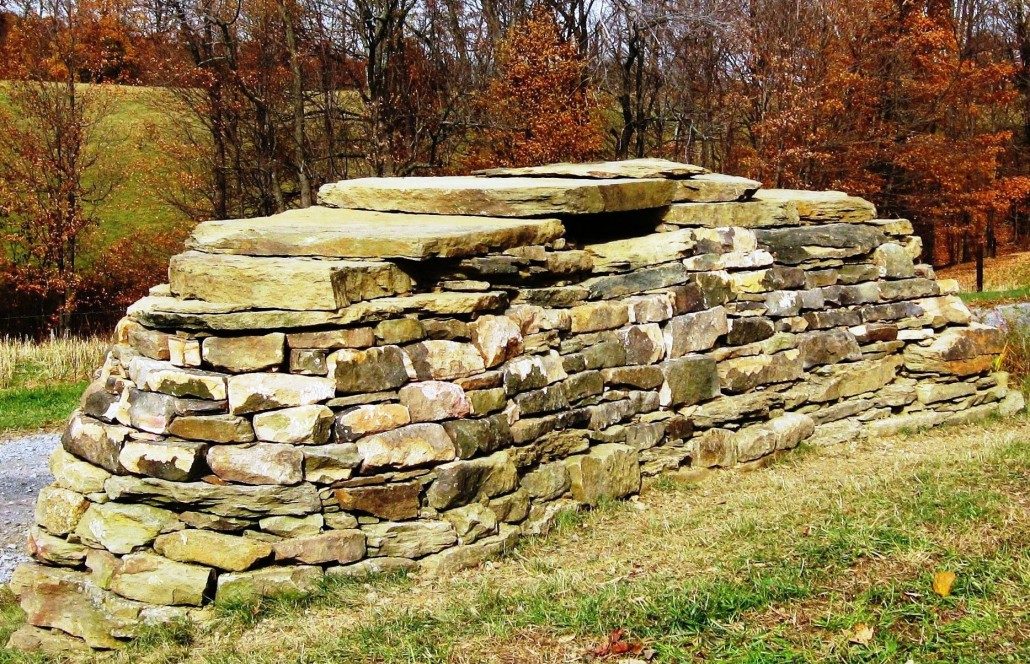
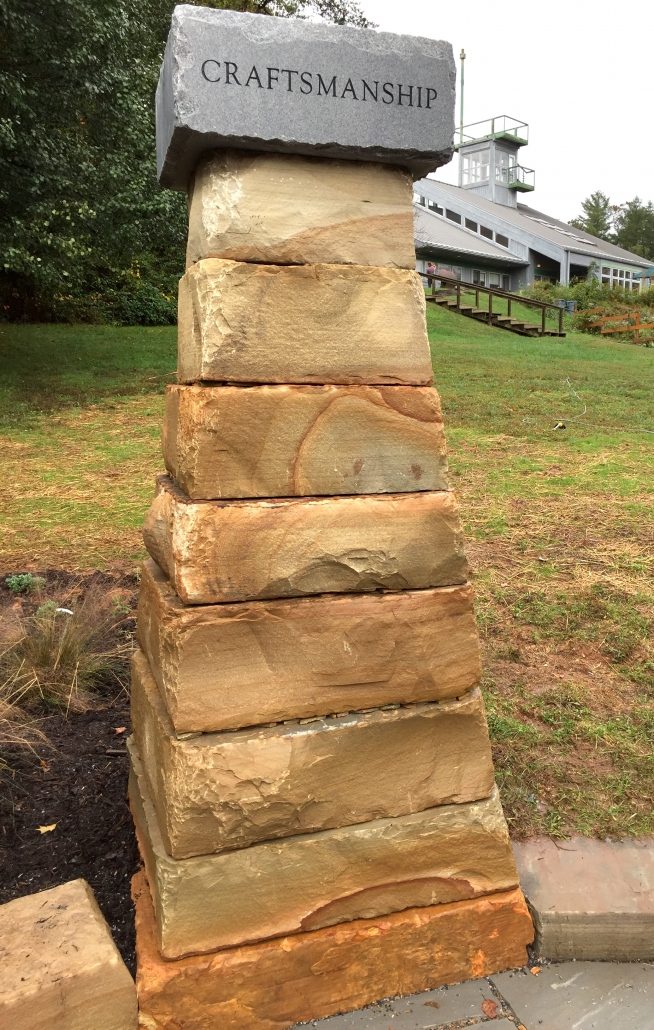
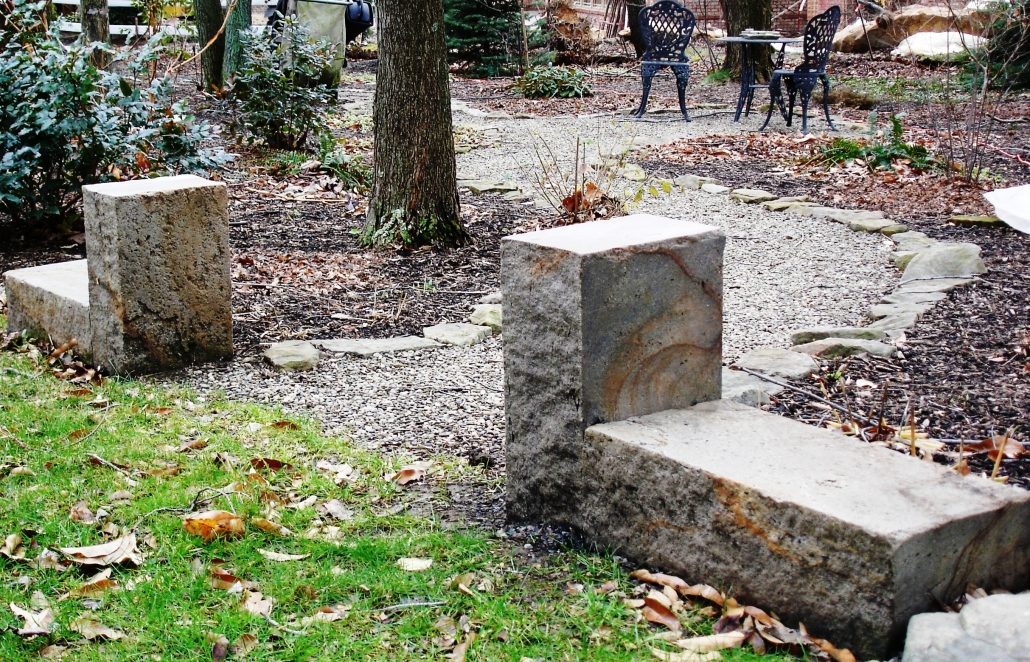
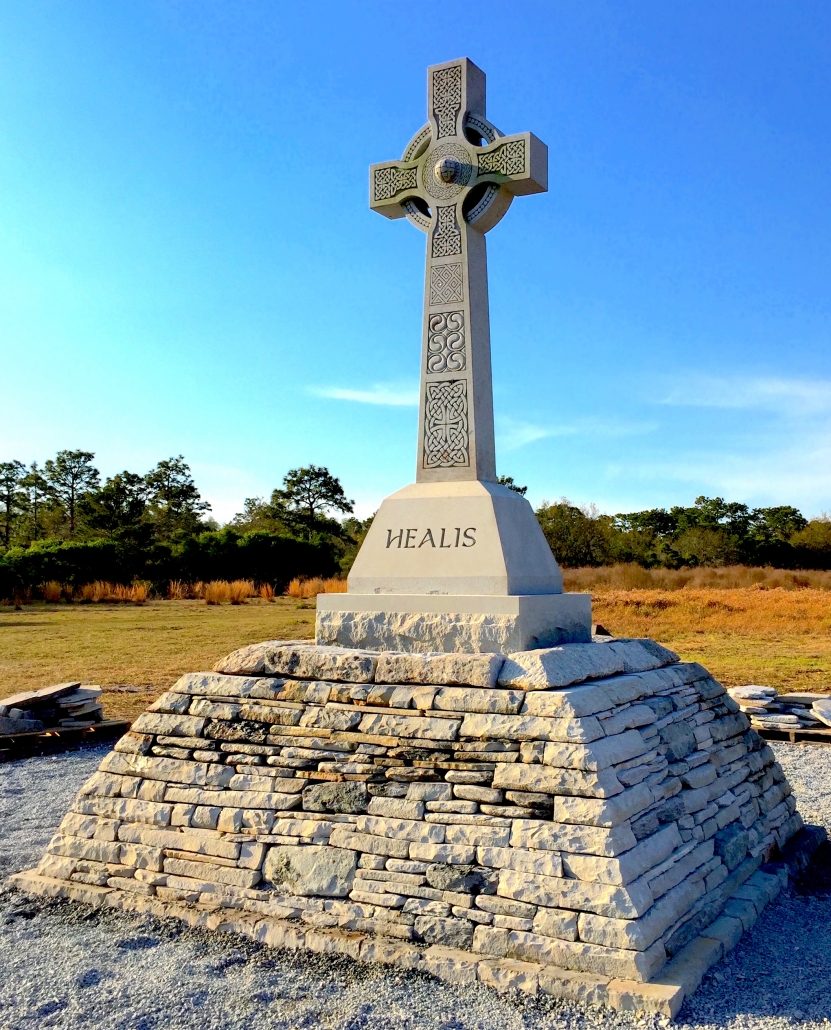
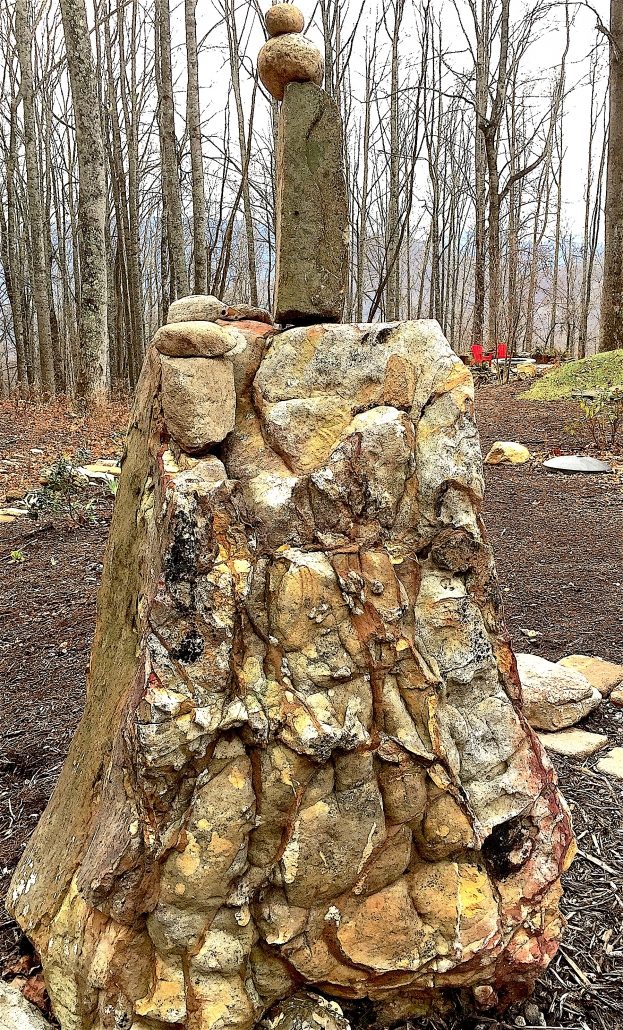
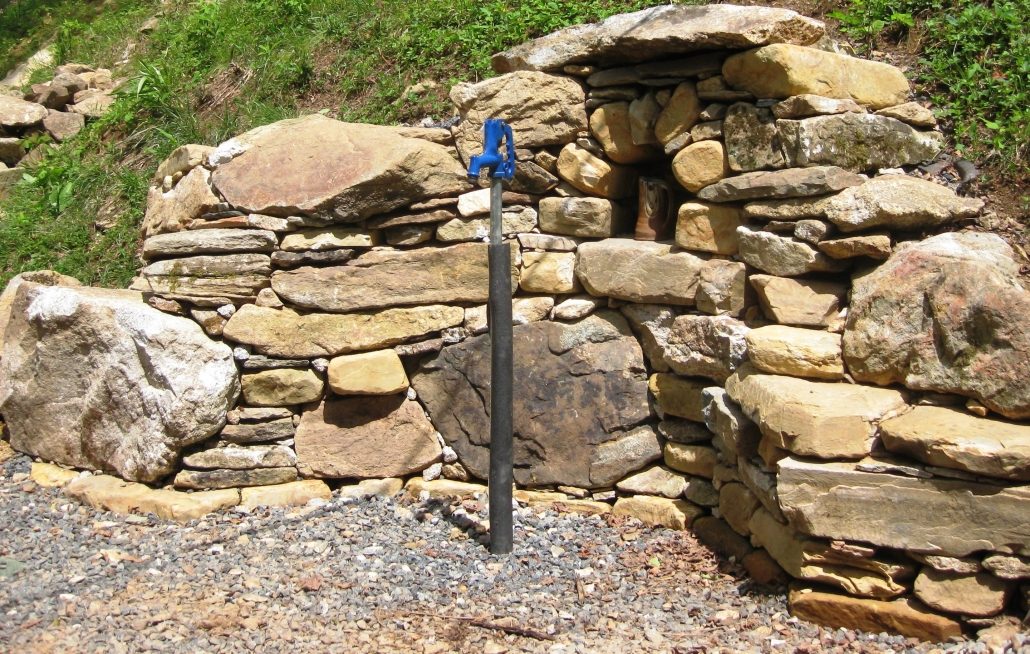
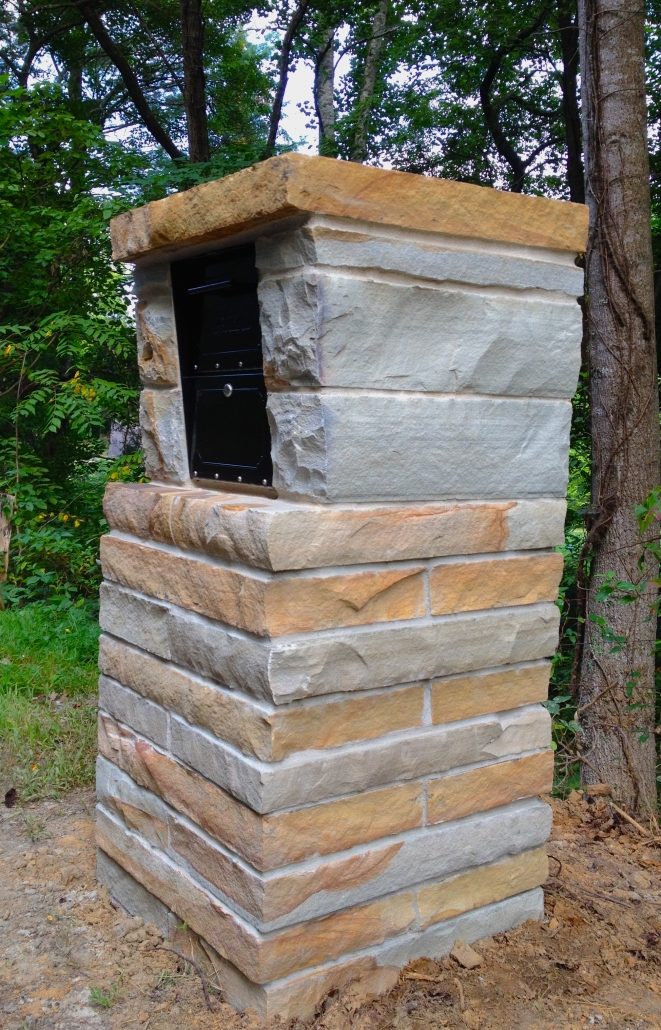
My stone miscellany are essentially an odds and ends collection of stone landscape features I have built that certainly don’t fit into other categories. Some of these stone constructions are functional, like a mailbox, but the majority of them are just for looks, or at least wildlife habitat. Most of these are one of a kind, and only built one time as a result of specific circumstances. Therefore, I lumped them all together as a result of them being in the same vein. However, I did build two versions of the human-figure sculptures that are similar to those found in the arctic region.
Smallest Stone Miscellany
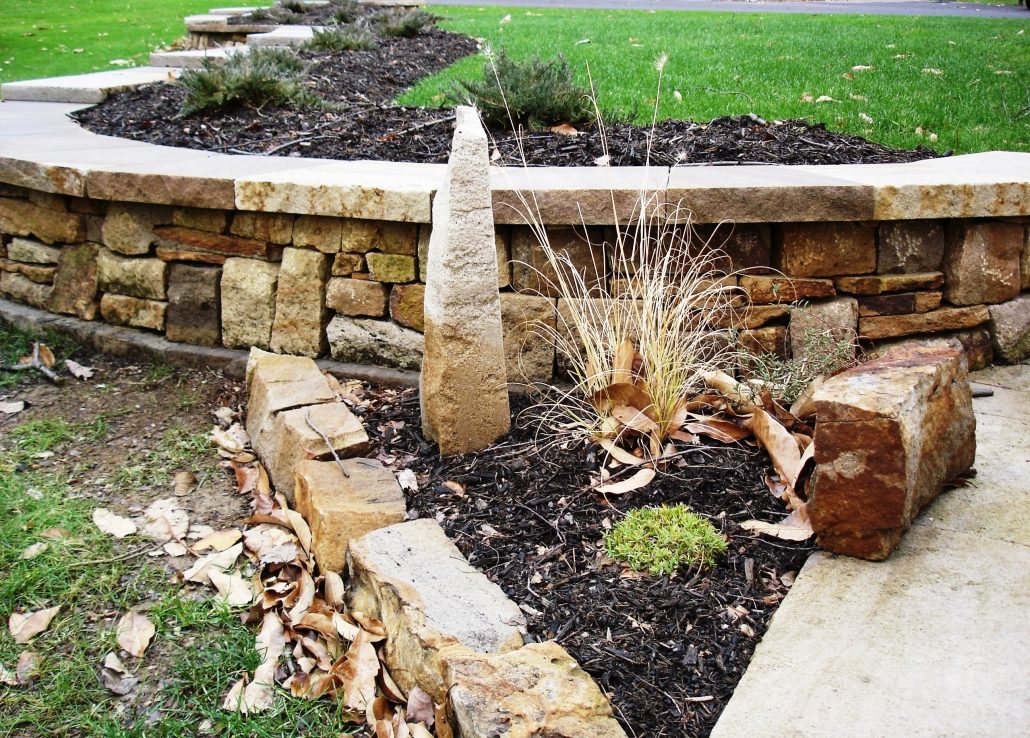
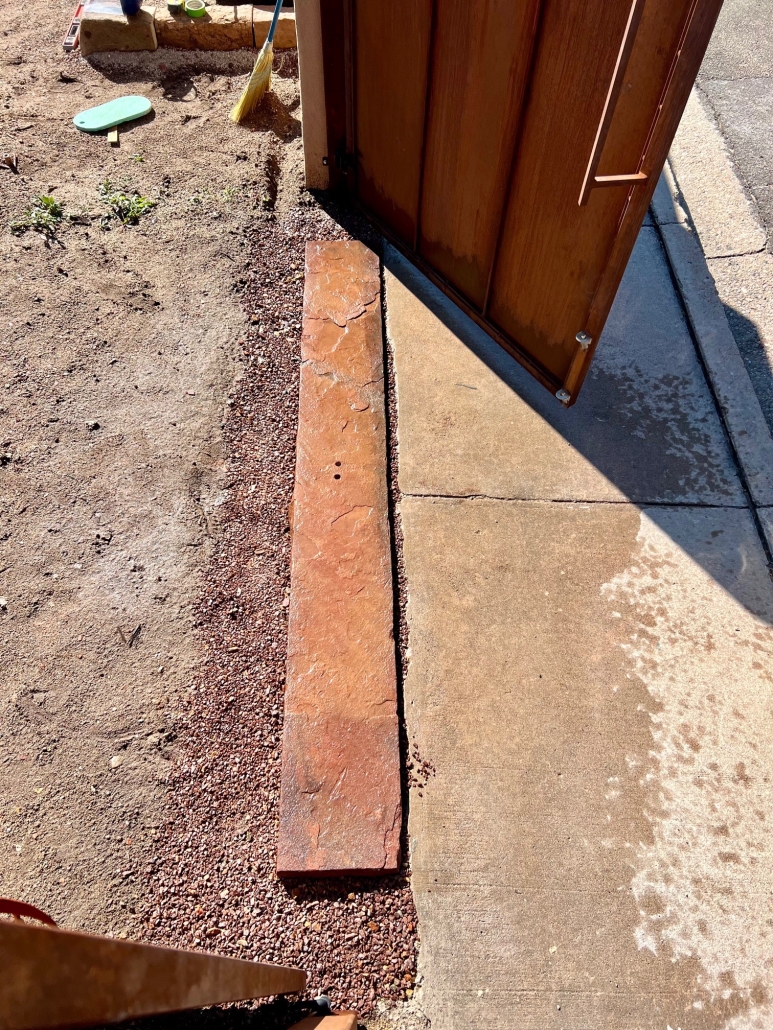
The stand alone vertical sandstone piece in Pennsylvania, for example, was a cutoff scrap from the adjacent walkway. As a result of building the walkway as a curve, I made many cuts into the 5″ thick pieces I was using. So my client, a landscape designer, asked in 2004 that I install it as pictured. It is certainly the smallest stone I have ever installed for a vertical piece, as a result of weighing about 50 pounds. Most importantly, it has 1/3 of its length buried underground for stability, and the widest part is lowest. As a result, it is less likely to wobble over time. However, had I buried more of it in the ground, it would subsequently be even stronger.
Largest Stone Miscellany
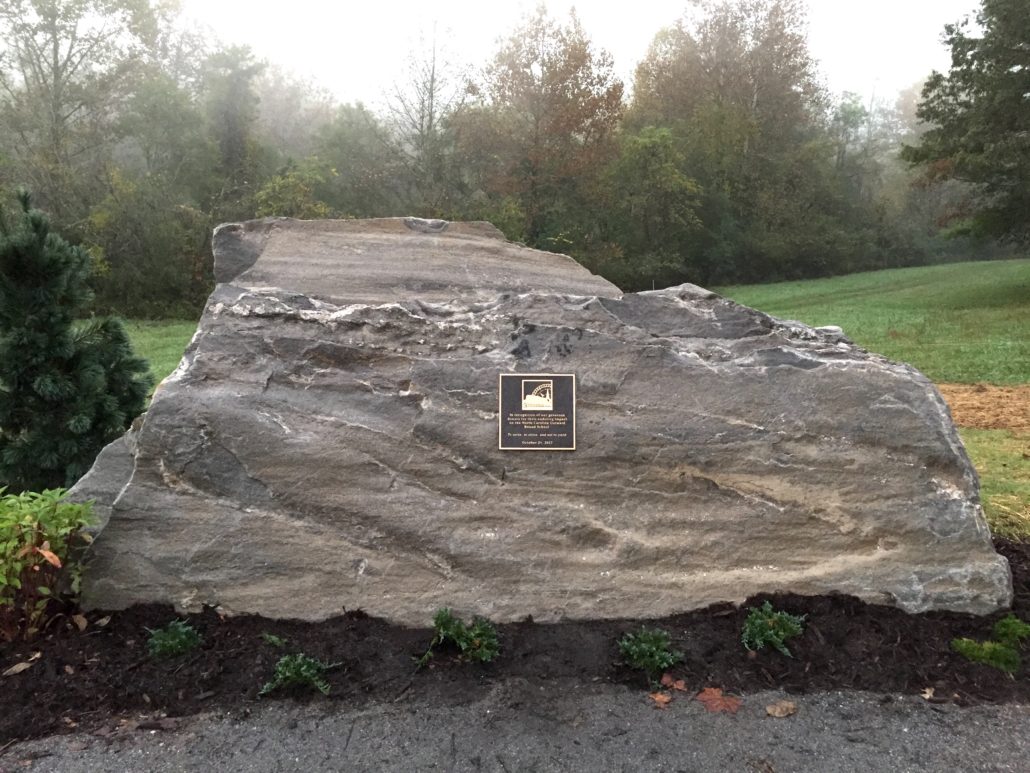
The granite boulder with the bronze plaque at The North Carolina Outward Bound School was the largest stone I have ever set, as a result of it weighing 13.5 tons. I also installed it during a hurricane in 2017. The boulder was the largest single stone ever extracted and sold from the local granite quarry in Swannanoa, North Carolina. For instance, it required the largest crane available, the heaviest duty tractor trailer, and the largest excavator in order to deliver and set. The delivery and setting also took the longest, from dawn until dusk. It faces the continental divide in the Appalachian mountain range in western North Carolina. In addition, on either side of it are a 7 ton and an 8 ton boulder, which gives the three boulders an appearance resembling the mountains behind them.