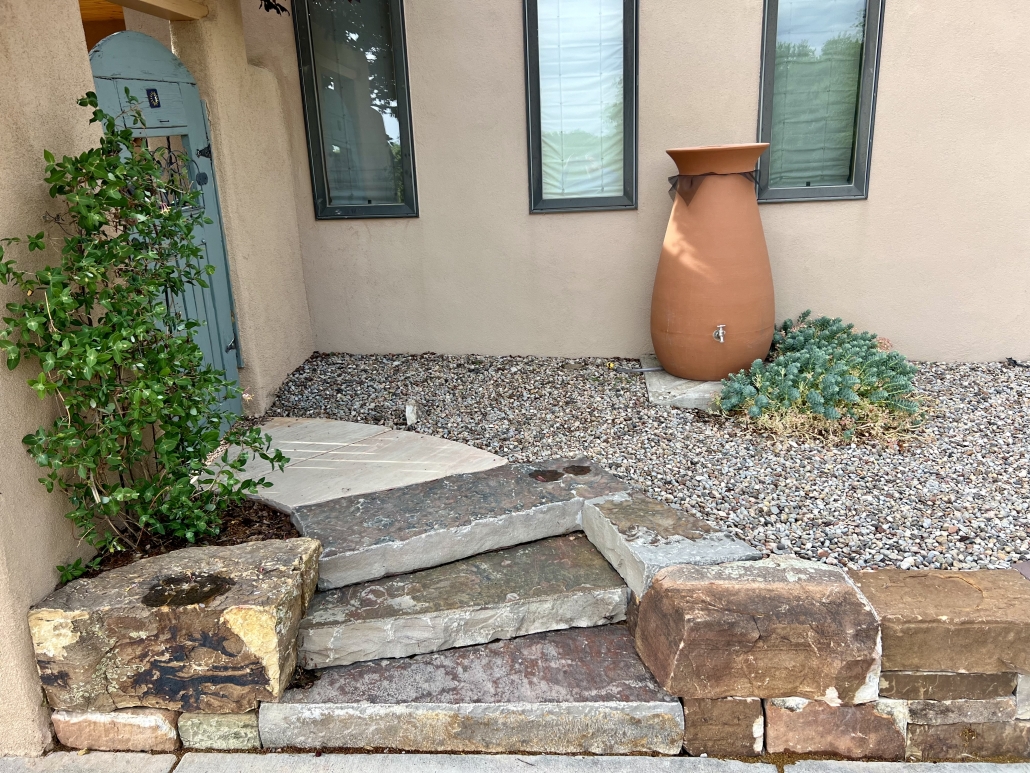
Sandstone Steps
New Mexico 2025
Travertine Retaining Wall
New Mexico 2025

New Mexico 2025
New Mexico 2025
New Mexico 2025
New Mexico 2021
New Mexico 2022
New Mexico 2021
New Mexico 2021
New Mexico 2020
North Carolina 2019
Florida 2018
North Carolina 2018
Pennsylvania 2015
New Mexico, 2025
Pennsylvania 2005
North Carolina 2010
New Mexico 2021
New Mexico 2024
Pennsylvania 2006
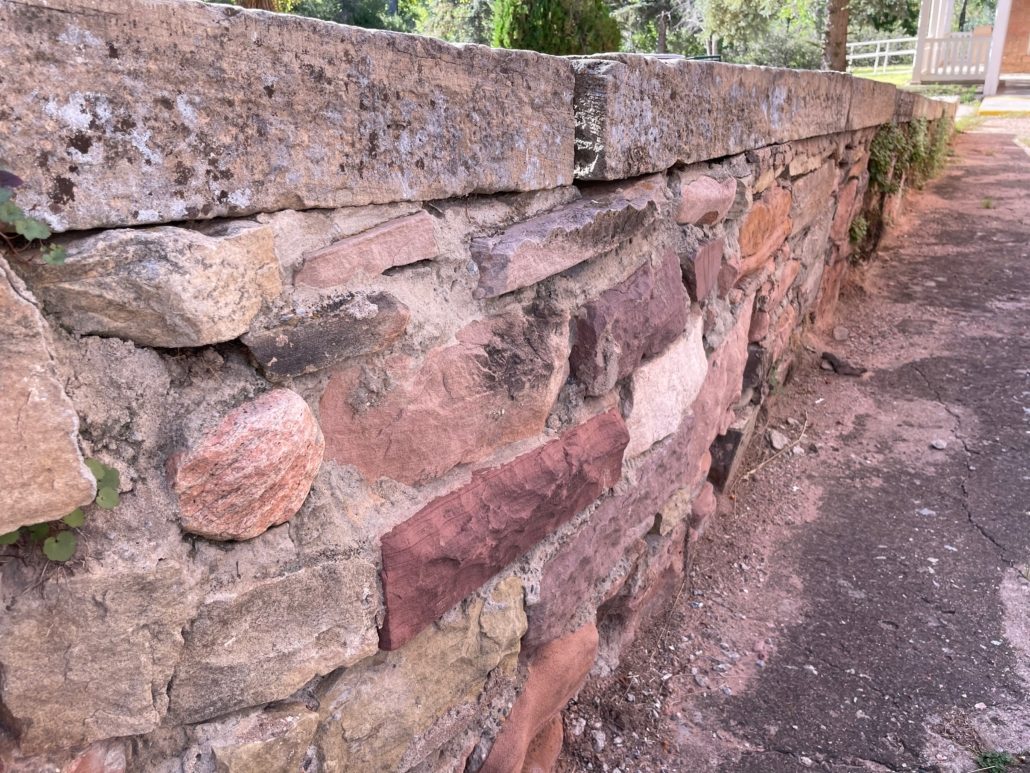
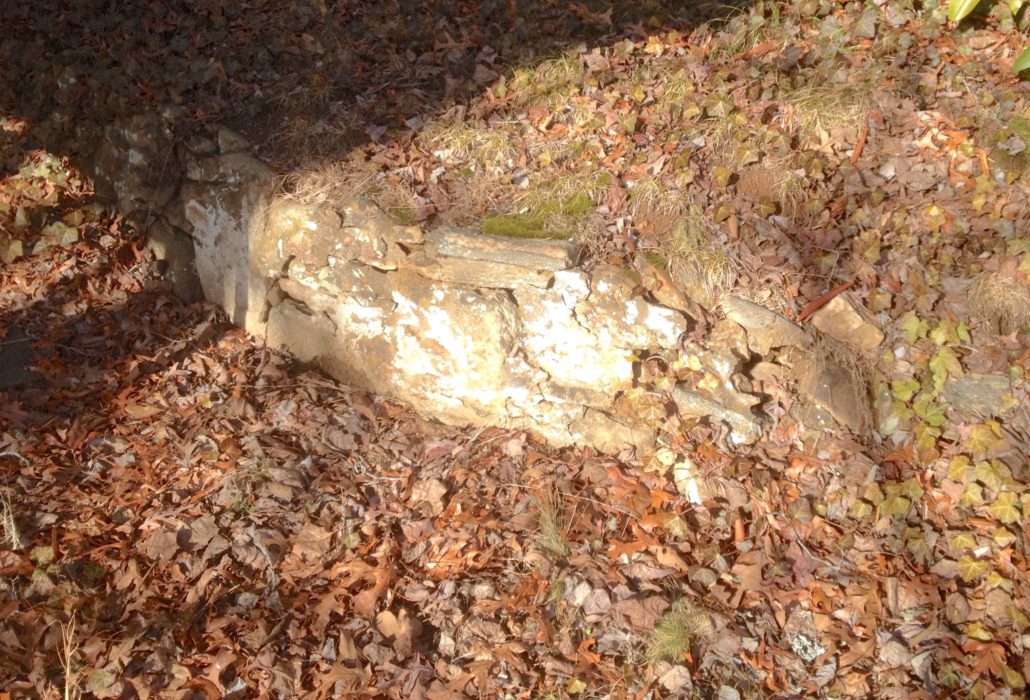
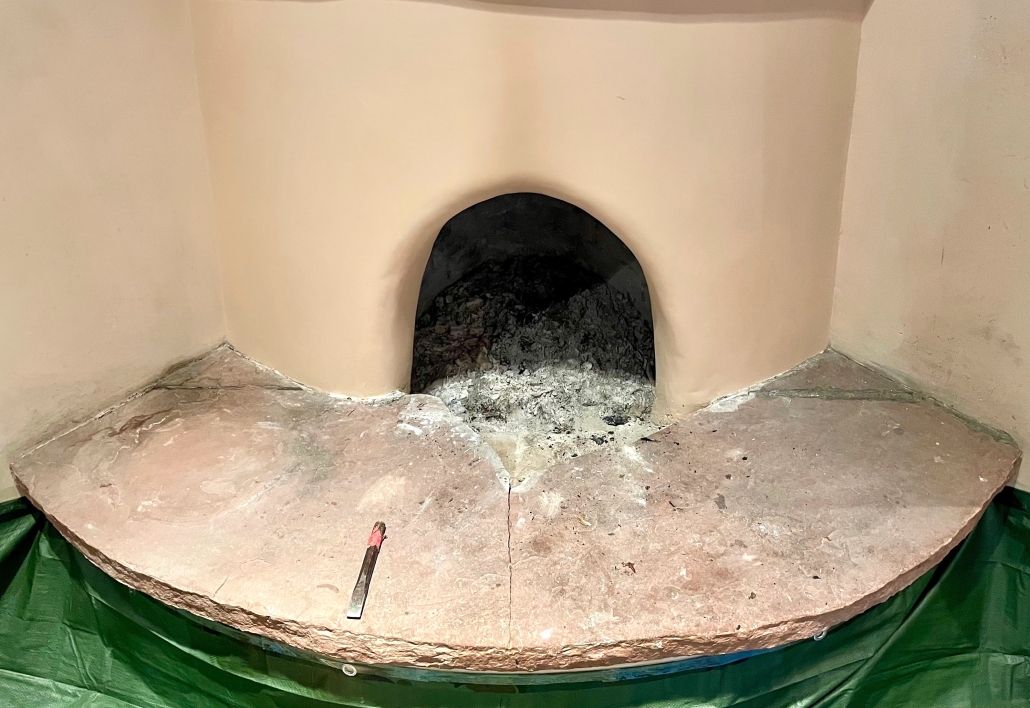
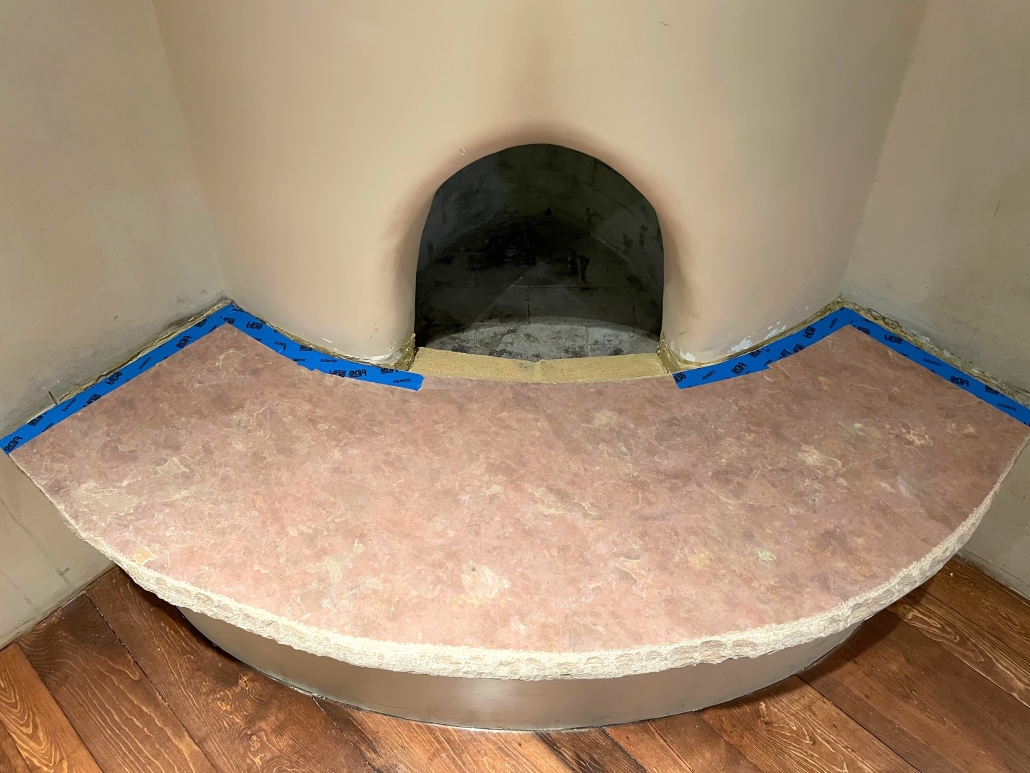
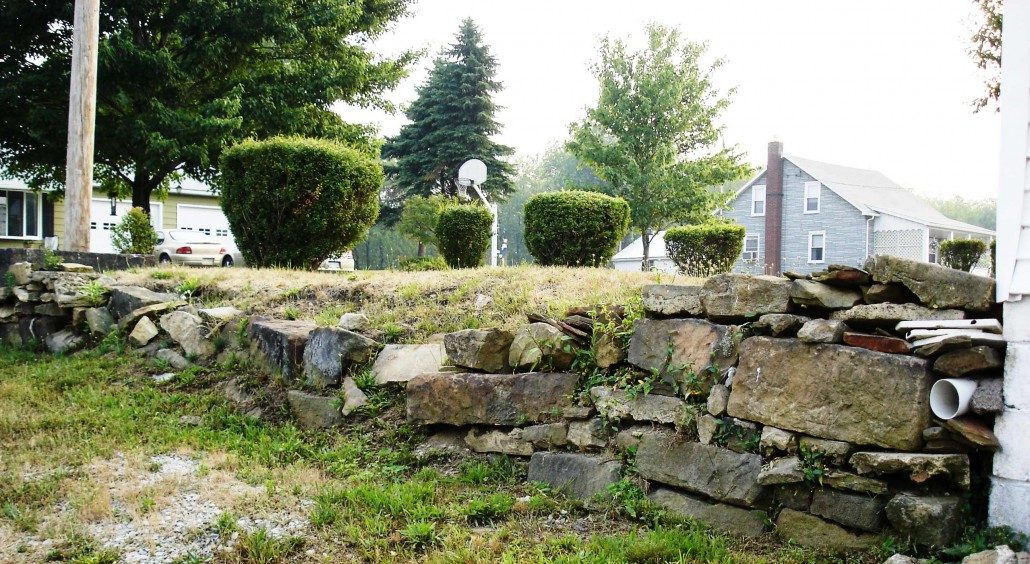
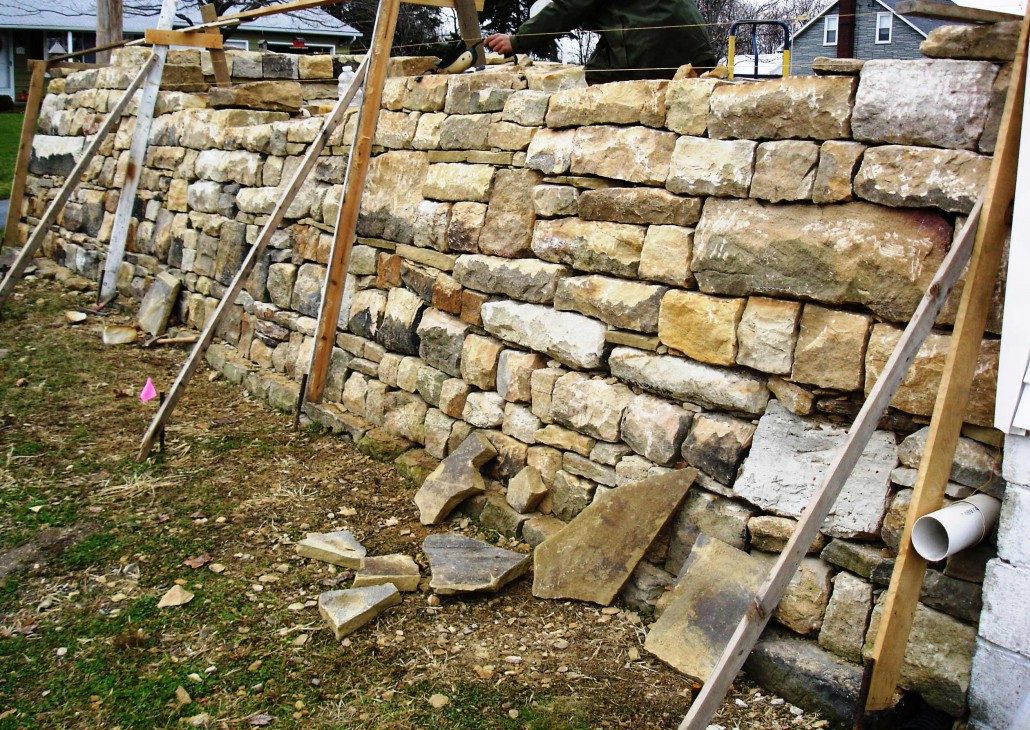
Stonemasonry often needs restorations. This is true for both dry stonemasonry and mortared stonemasonry. However, there are established, quantifiable best practices in both types of stonemasonry restorations. For example, dry stonemasonry restorations best practices includes removal of failing stone, then either re-shaping before installation or replacement of the stone before installation. Likewise, mortared stonemasonry restorations best practices are similar. The primary difference is the removal, then replacement of the mortar. Replacement or re-shaping of stone in mortared stonemasonry restorations is similar to restoration of dry stonemasonry. Mortared stone masonry usually needs repair where the mortared joints have failed, also in places where stone has cracked and needs to be removed and replaced. In addition, places where other materials interact with stonemasonry, such as wood, or metal roof or gutters are often places where problems arise.
The restoration of the Notre Dame Cathedral in Paris, France is a recent example of best practices in mortared stonemasonry restoration. As a result of the 2019 fire, the cathedral required more than 5 years of repair. Consequently, the bells in the cathedral were rung for the opening of the 2024 Olympic ceremonies in Paris, the first time since the fire. It was the largest stonemasonry restoration undertaken in France. Similarly, another mortared stonemasonry restoration is underway with the Canadian Parliament building, Centre Block. This restoration began in 2021, and will take approximately 10 years to complete. It is also the largest stonemasonry restoration undertaken in Canada.
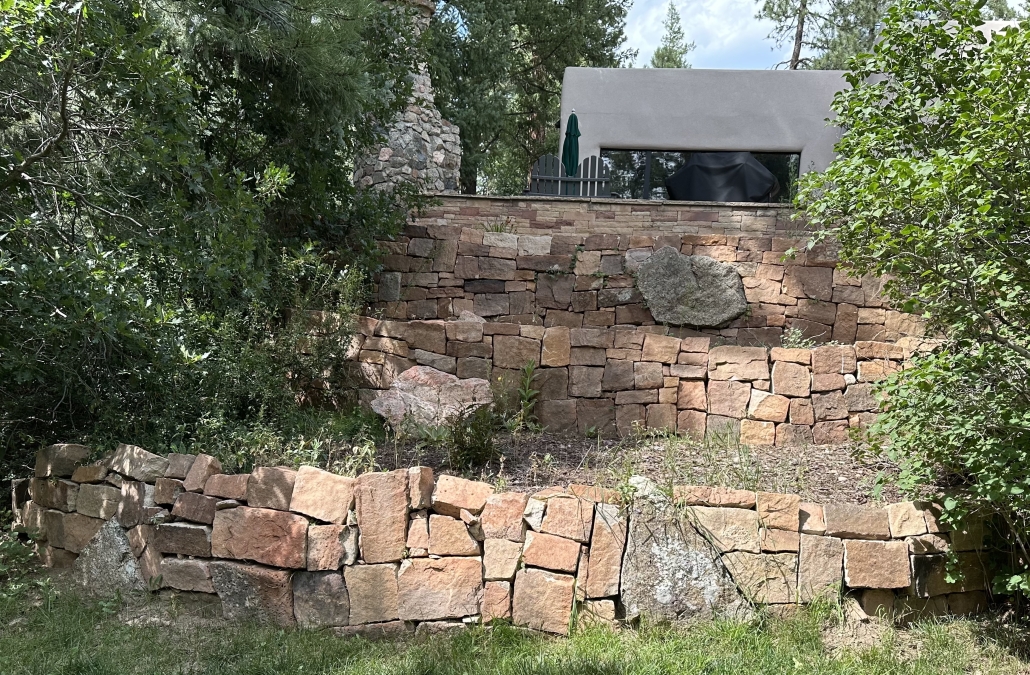
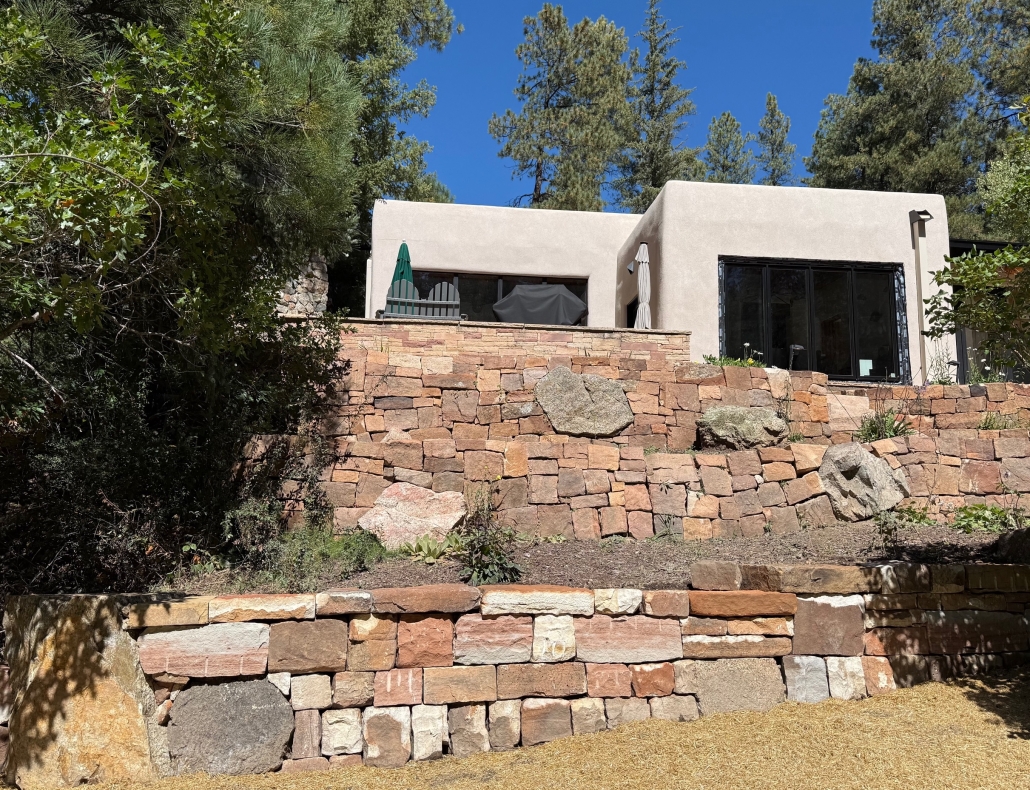
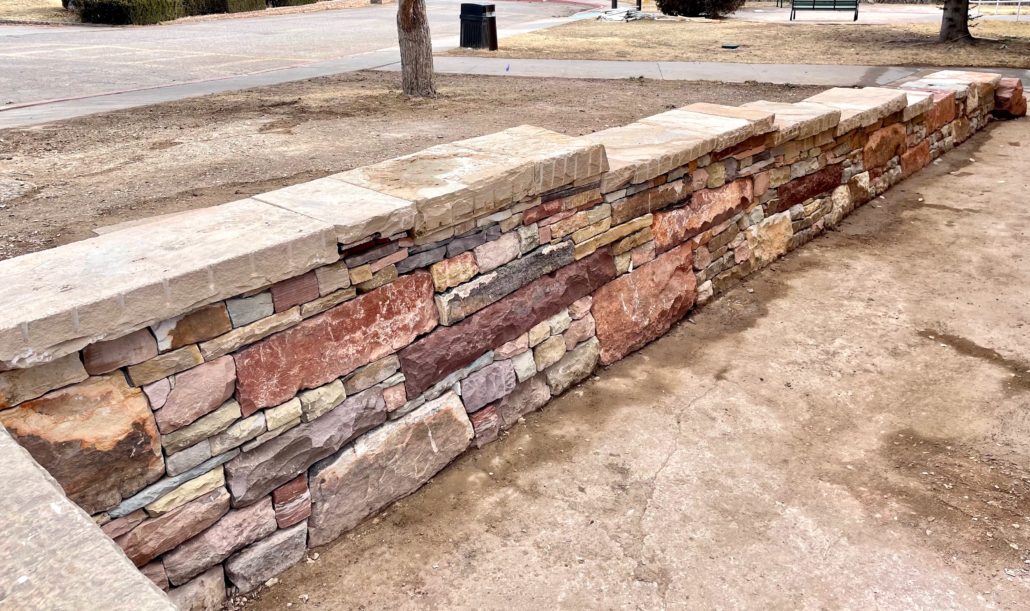
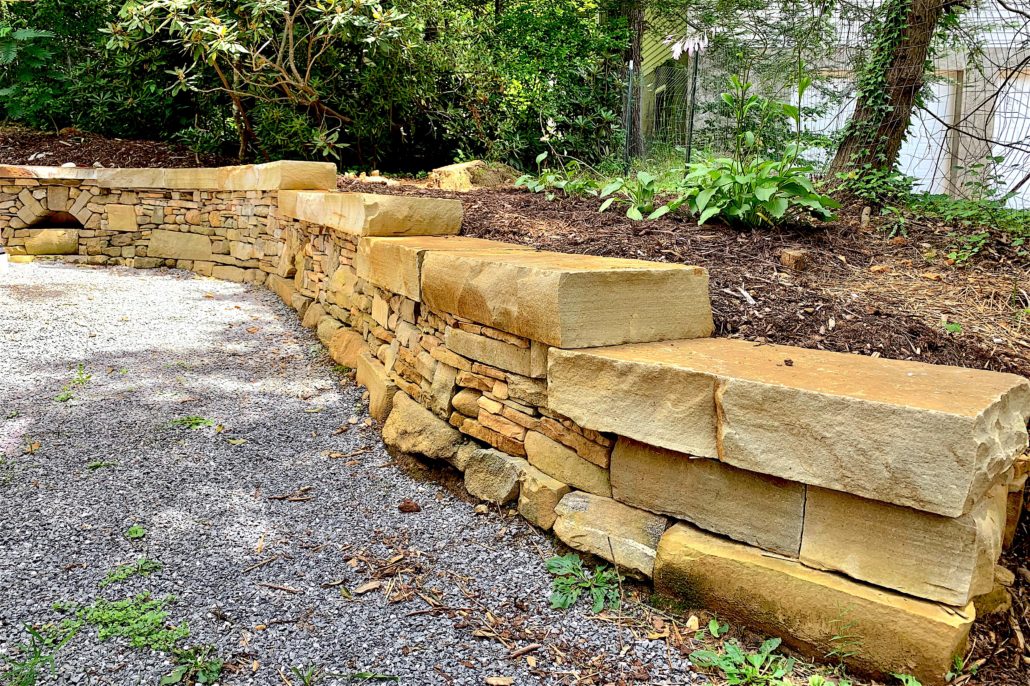
The majority of stonemasonry restorations I have done are drystone retaining walls. There are 15 building traits that make stone retaining walls last. When one or more of those traits are absent, walls usually fail. I compiled a list of traits which make drystone retaining walls last the longest. This is the result of recognizing the common structural traits in the failing retaining walls I encountered, as well as the structural traits in sections of retaining walls that survive. I refer to these traits as “15 Great Rock Hits!” or “15 Classic Rock Hits!” All drystone retaining walls I build and restore adhere to these 15 traits. Often, an entire stone retaining wall will need to be disassembled and rebuilt as part of stonemasonry restorations. This is the result of consistent building methods during its original construction.
In both types of stonemasonry restorations, it is possible to make the rebuilt stone structure stronger than the original.