


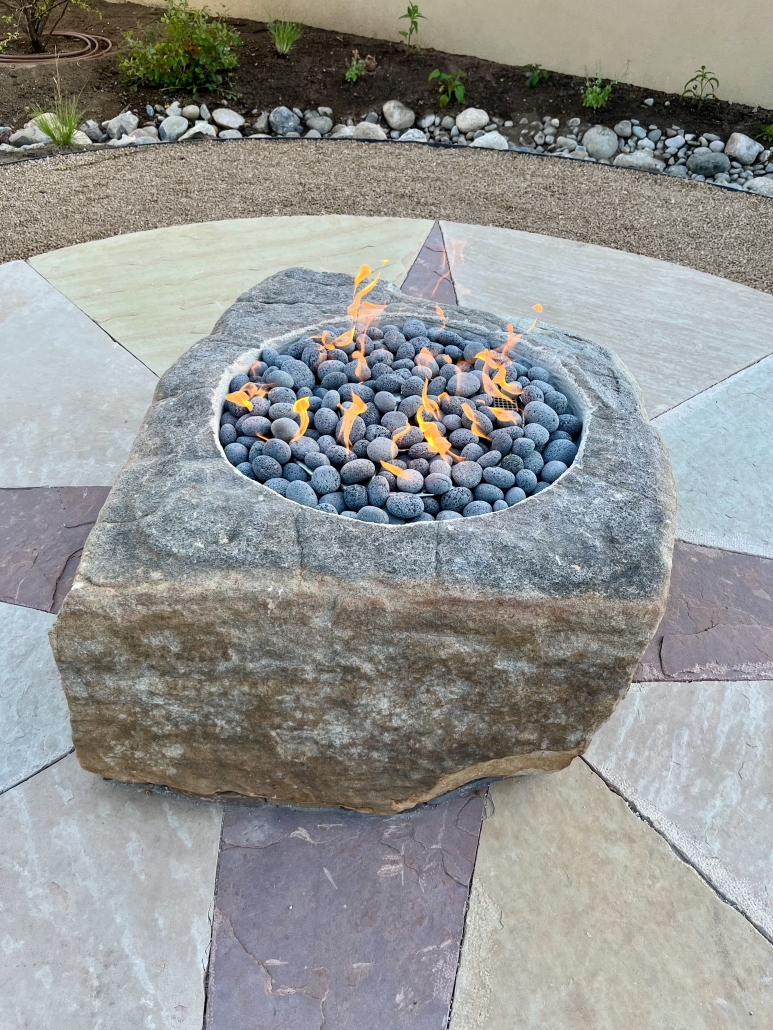
Benefits of Stone Fireplaces:
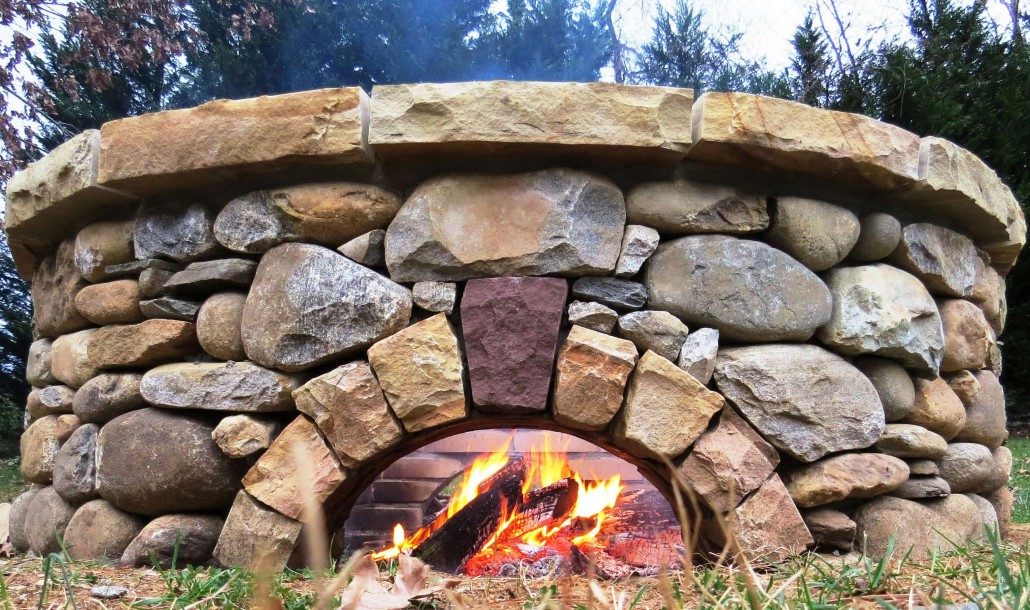
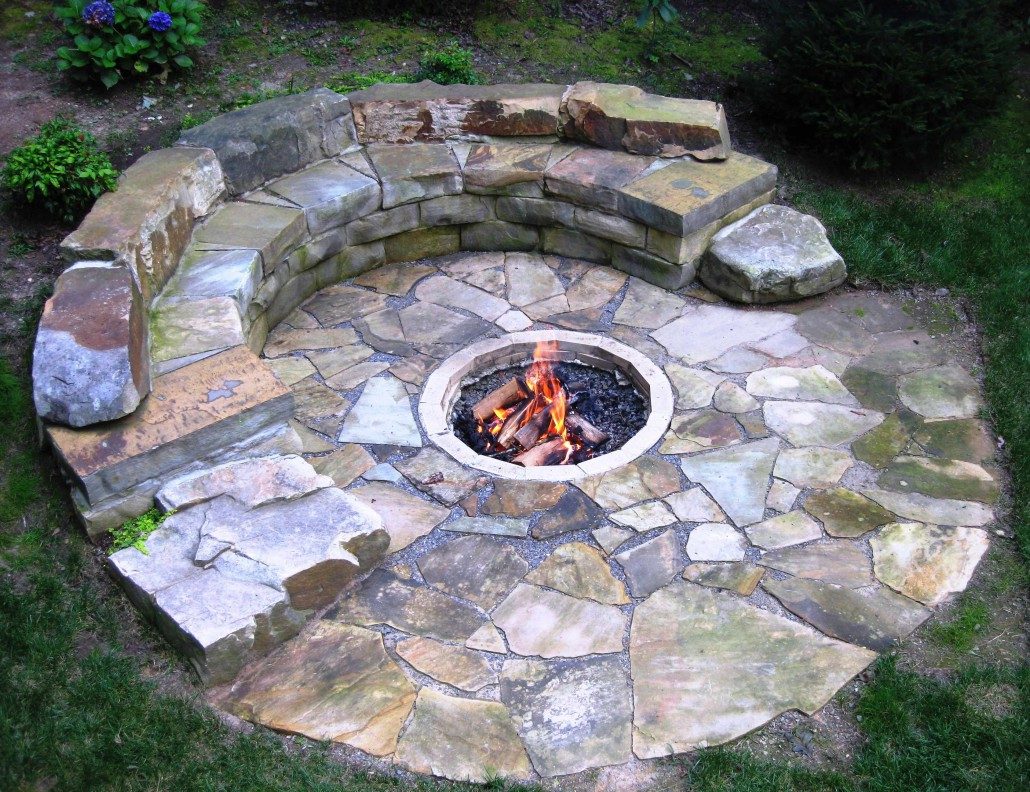
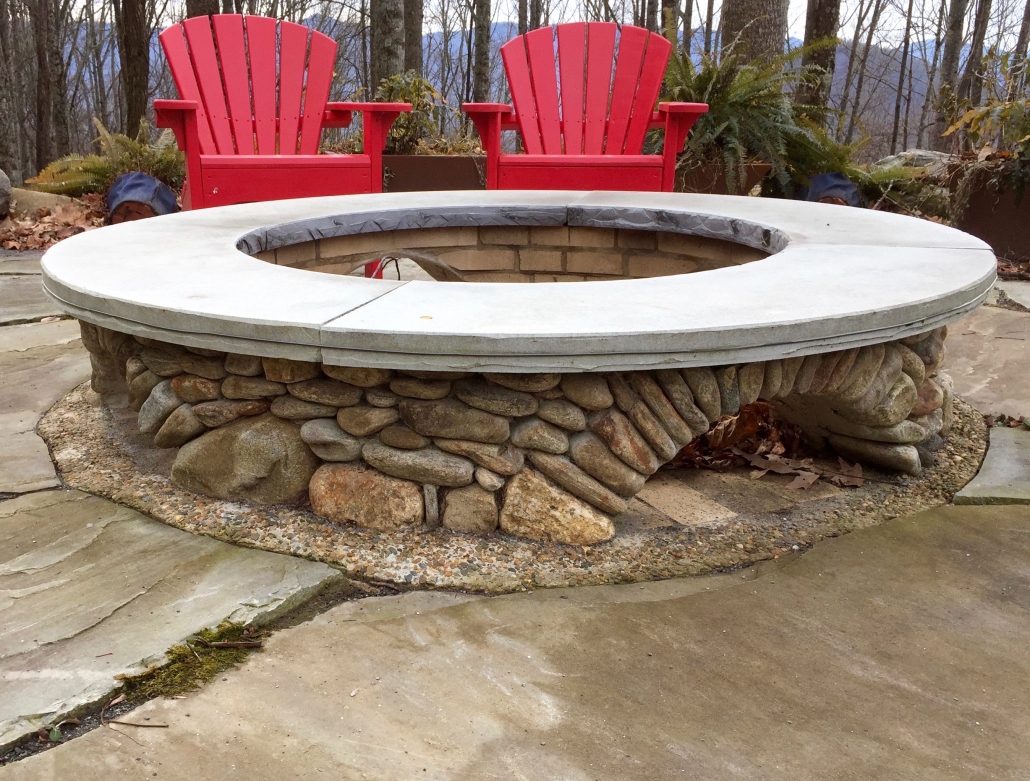
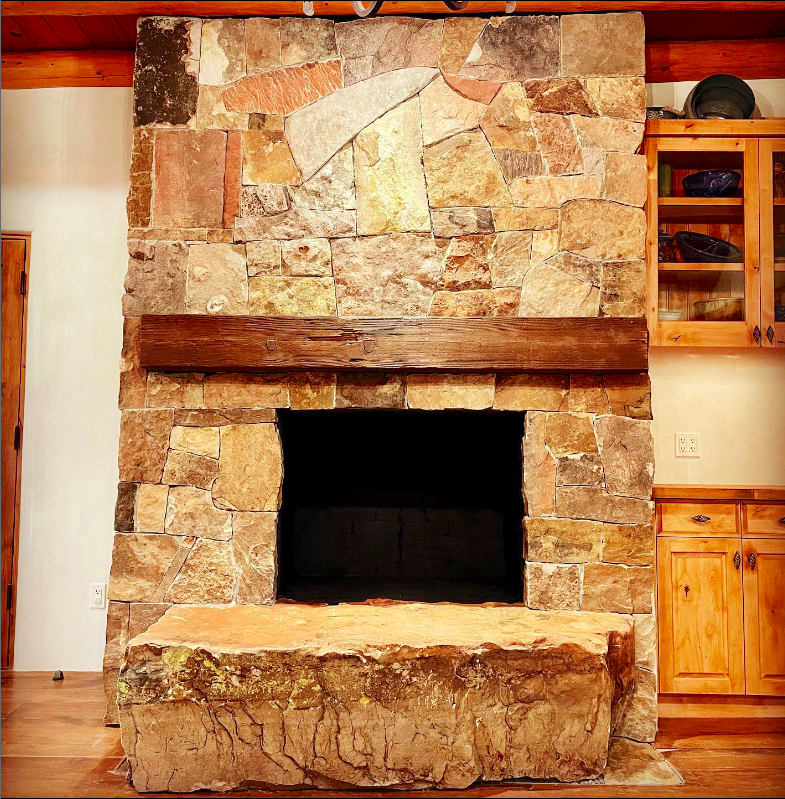
Stone fireplaces work very well both indoors and out as a result of being a durable building material. Stone is not flammable, therefore it is a good choice around flames because it does not catch fire. However, firebrick is a necessary border between open flame and stone in order to prevent stone from cracking or exploding. I install firebrick during the construction of every wood burning fireplace for this reason. In addition, stone has the benefit of holding heat generated by a fire. Therefore, stone is able to radiate heat while the fire is burning as well as after a fire is out.
Woodburning or Gas Fireplaces:
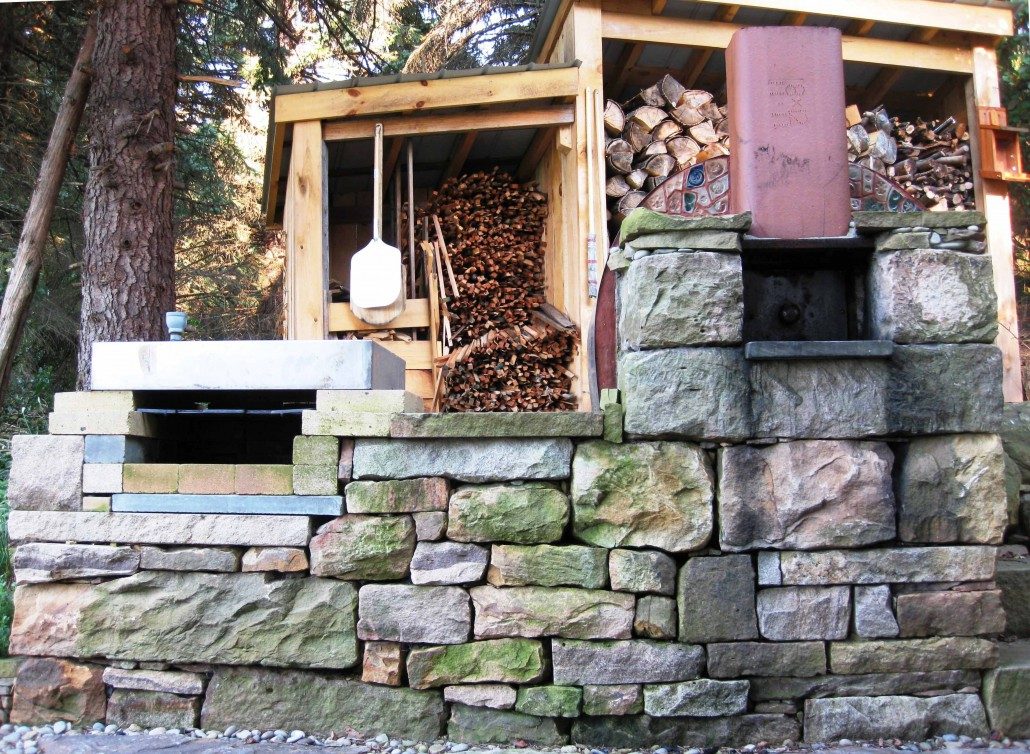
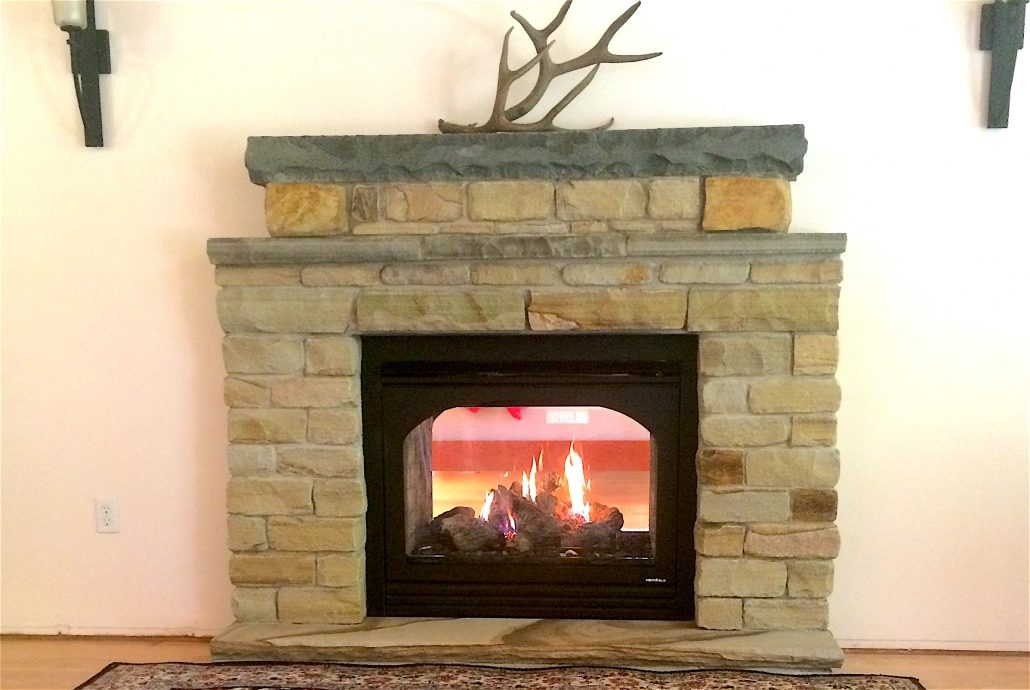
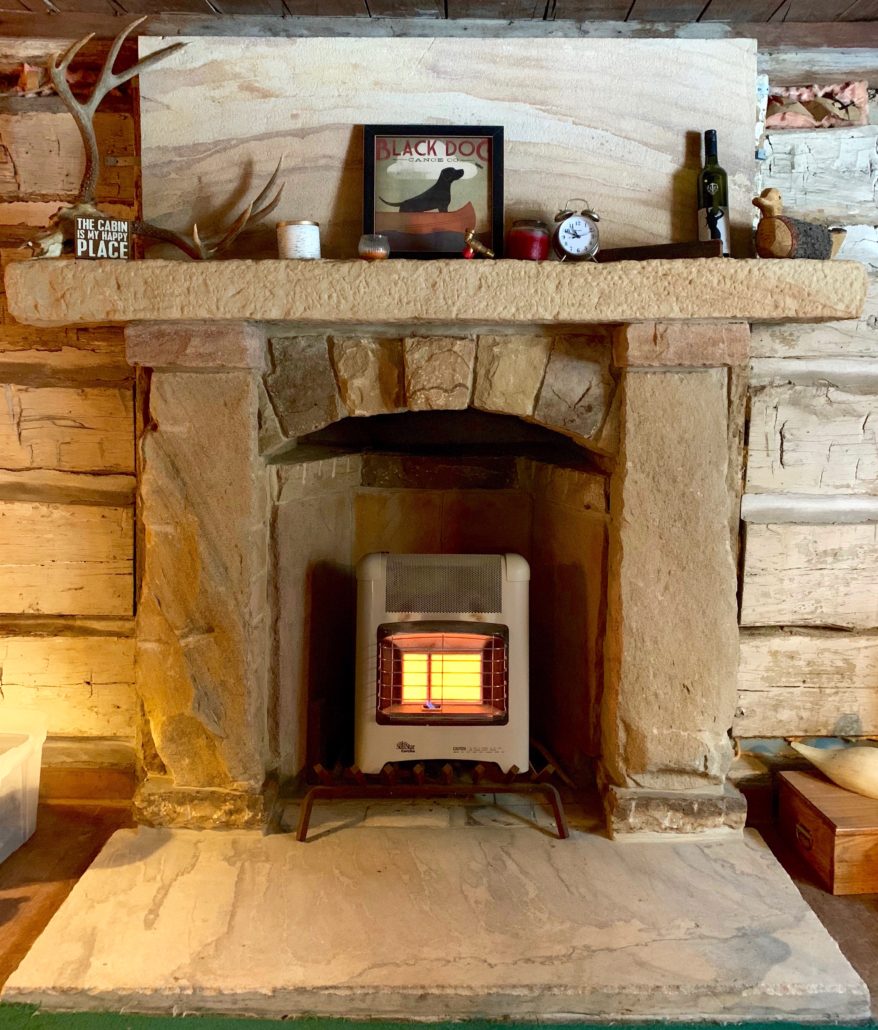
Most of the stone fireplaces I have constructed are designed for use with fire wood. However, a few others I’ve built are designed for gas. Both types have benefits and drawbacks, and are therefore worth considering to achieve the best fit for your circumstances. For example, in a dry climate such as the southwestern US, an outdoor gas fireplace has a safety benefit of not emitting small embers of lit firewood. As a result, this reduces the likelihood of an unwanted fire started from such embers. However, wood is a relatively sustainable source of fuel for a fire, and likely has less detrimental effects than the production and distribution of gas. Firewood also requires a place for storage, needs to be split and dried for burning efficiency, and generates ash that needs to be removed.